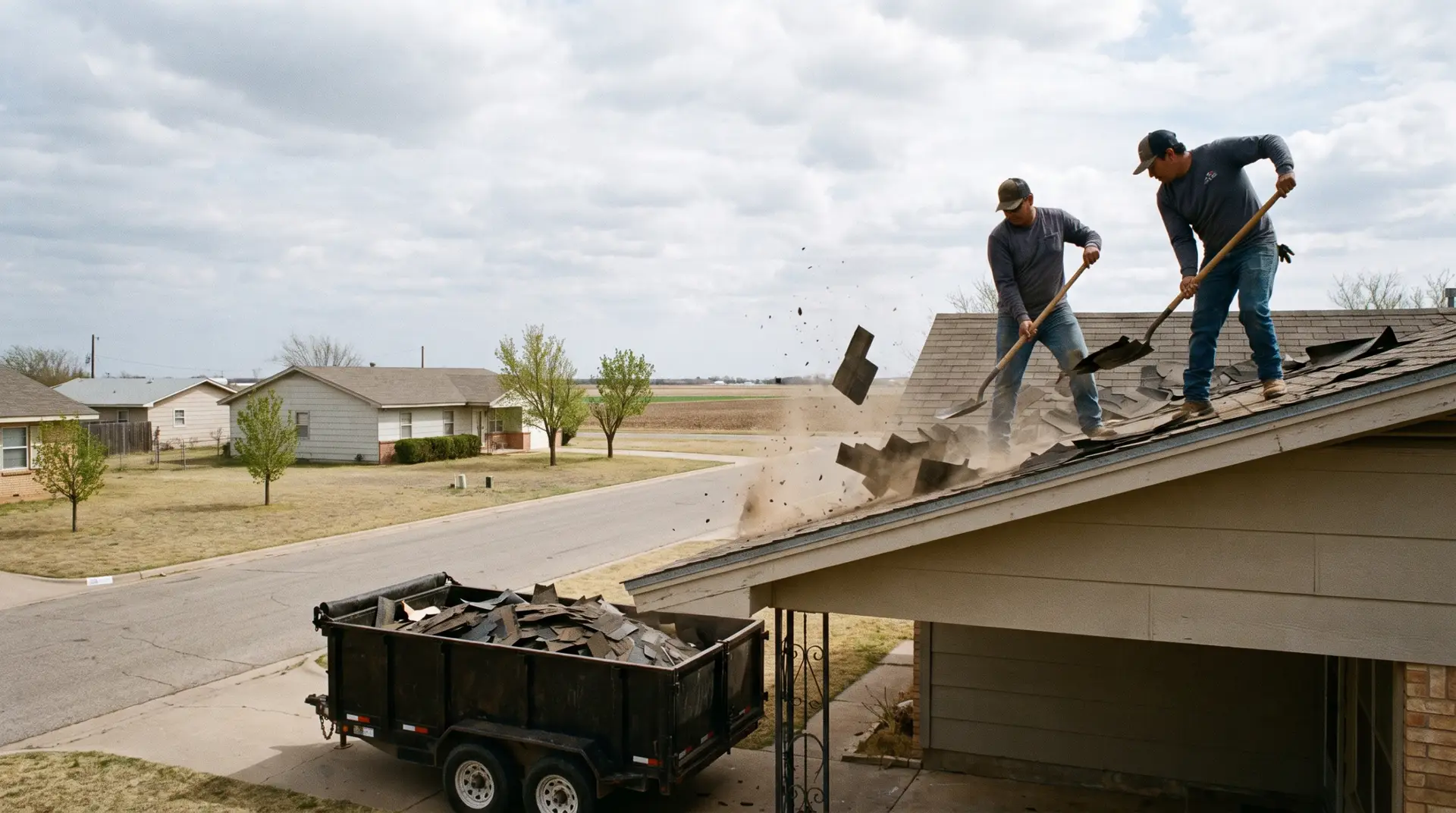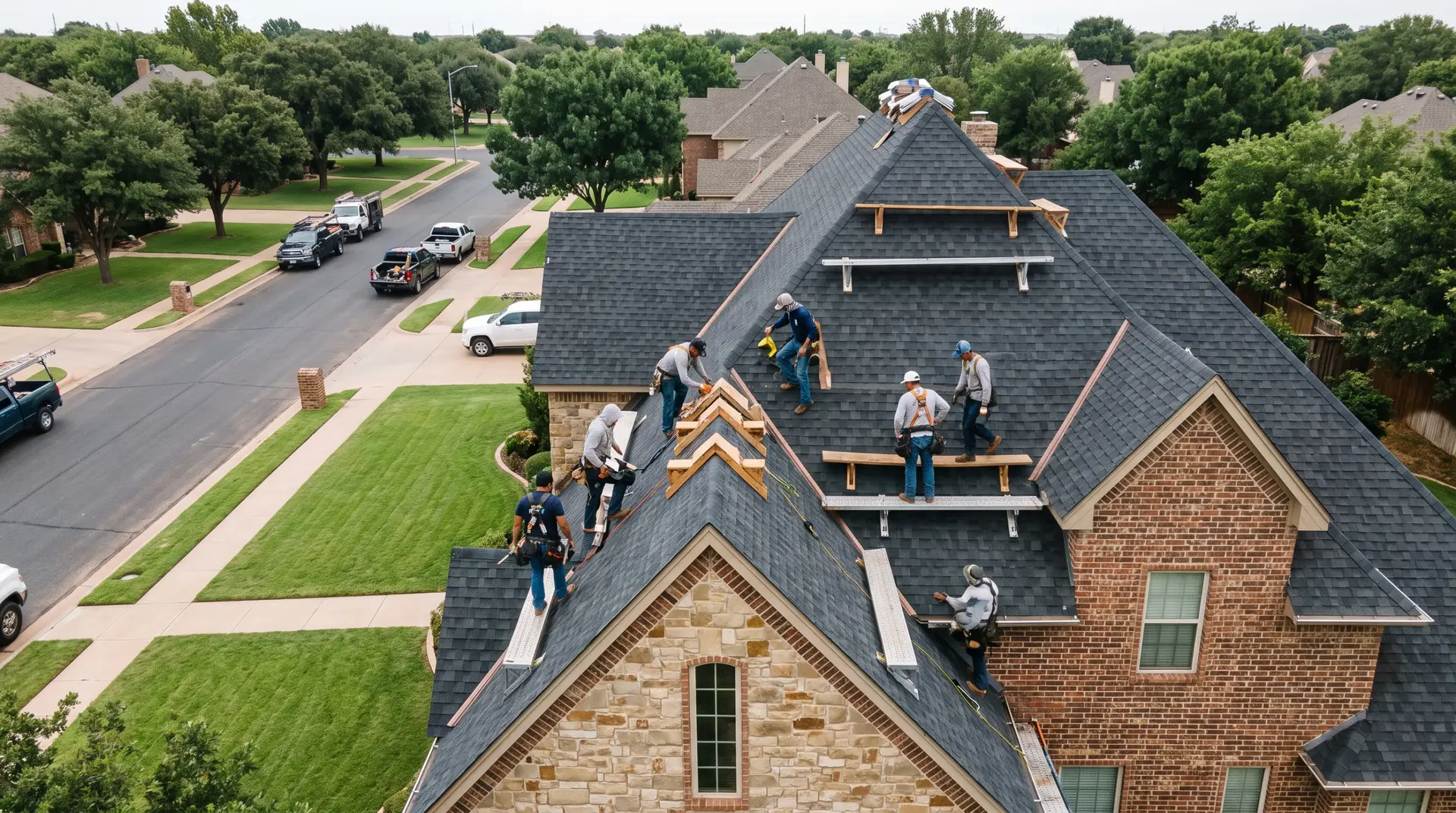
If you own a home in Lubbock, the honest answer to “how long does a roof last” is probably shorter than you’ve been told. Those tidy 20-, 30- and 50-year numbers on shingle wrappers were written for mild, low-hail climates, not for the West Texas High Plains, where a single spring hailstorm can end a roof overnight.
Between Hail Alley strikes, relentless UV, dry heat and 60-mph gusts, Lubbock roofs simply age faster. This guide breaks down realistic lifespans by material for our climate, explains what quietly steals years off your roof, and shows you how to squeeze every season out of the one over your head.
So how long does a roof last in Lubbock? Below is the realistic lifespan by material, what cuts it short in West Texas, and how to get the years back.
On this page, a complete guide to how long does a roof last in Lubbock, TX:
- Quick Answer: How Long Does a Roof Last in Lubbock?
- Roof Lifespan by Material
- What Shortens a Roof’s Life
- Why Lubbock Roofs Do Not Last as Long as the Label Says
- How to Get the Most Years From Your Roof
- Final Word: Know Your Roof’s Real Age
- Frequently Asked Questions About How Long a Roof Lasts in Lubbock
Quick Answer: How Long Does a Roof Last in Lubbock?
In Lubbock’s climate, a basic 3-tab asphalt roof often lasts only 12–15 years, well short of its rated 20–25. Upgraded architectural (dimensional) shingles run 15–22 years, metal roofing 40–70 years, and concrete or clay tile 50-plus. The gap between the label and reality comes down to three local forces: hail, wind and intense sun.
A roof that would coast to 30 years in a mild climate routinely gets cut short here, and many Lubbock roofs are replaced not because they wore out gradually but because one storm totaled them. Material choice, install quality and upkeep decide where you land in each range.
Put simply: expect real-world Lubbock lifespans to run roughly a third shorter than the packaging promises, with hail the biggest wildcard. Age alone doesn’t tell the story, a 10-year-old roof can be storm-totaled while a well-vented 18-year-old one soldiers on. If yours is curling, bald in spots, or leaking, learn the signs you need a new roof so you can act before the next spring hail season finds the weak spot for you.
Roof Lifespan by Material
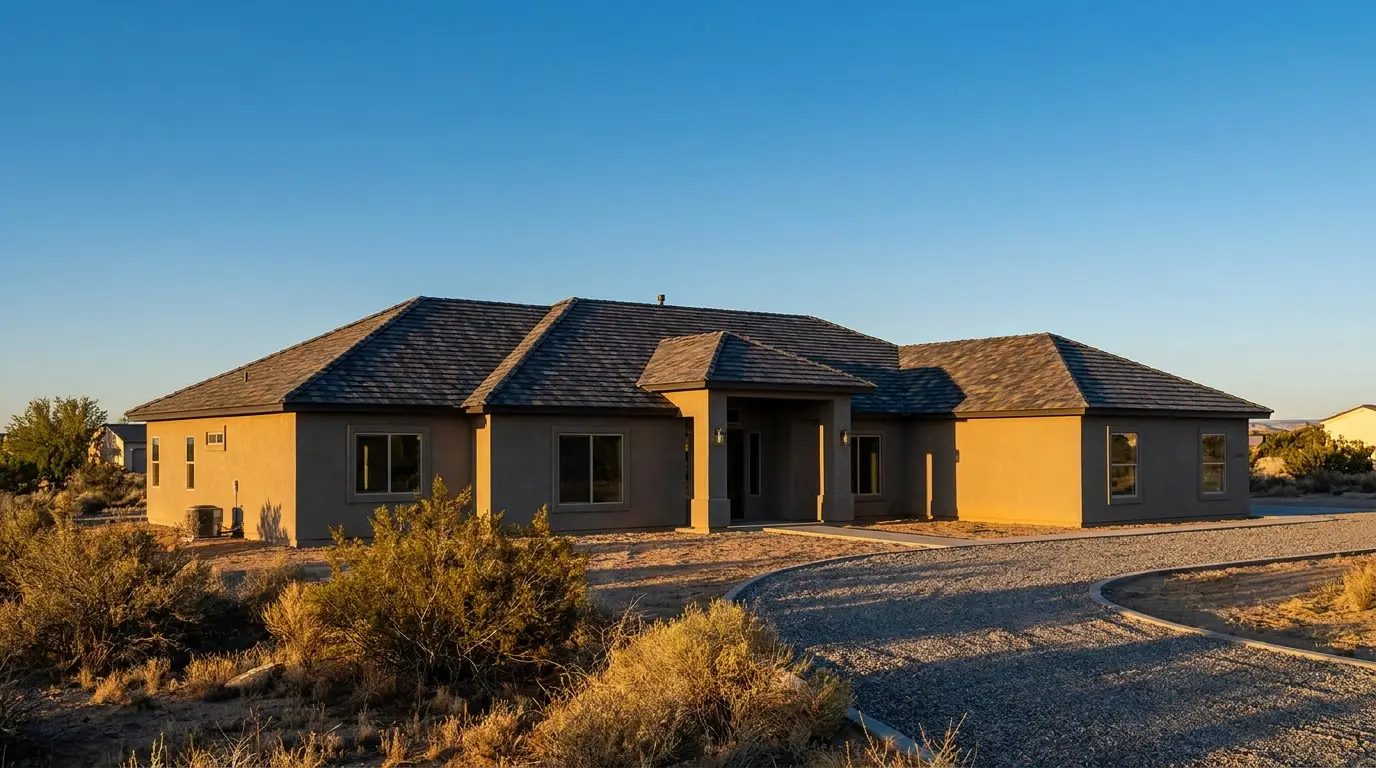
Not all roofs age the same way in West Texas. The material on top is the single biggest factor in how many years you’ll get, and the spread is huge, from barely a decade for the cheapest shingles to half a century or more for tile and standing-seam metal. Here’s what each common Lubbock roofing material realistically delivers under our hail, wind and sun.
- 3-Tab Asphalt Shingles (12–15 yrs): The budget standard. Thin and hail-prone, they’re frequently totaled by a single storm long before natural wear-out.
- Architectural Shingles (15–22 yrs): Thicker, wind-rated and impact-resistant options available; the best balance of cost and durability for most Lubbock homes.
- Metal. Standing Seam/Ag Panel (40–70 yrs): Excellent wind and UV resistance; dents from large hail are cosmetic more often than they are failures.
- Concrete & Clay Tile (50+ yrs): Extremely long-lived and heat-tough, though heavy and pricey; individual tiles can crack under severe hail.
- TPO/Flat Membrane (15–25 yrs): Common on low-slope and commercial roofs; lifespan hinges heavily on install quality and drainage.
These are working Lubbock ranges, not guarantees. A well-installed, properly ventilated architectural roof can push past 22 years, while a poorly nailed one may fail at 12. And remember: in Hail Alley, a covered storm claim can replace any of these roofs early, so a shorter-lived shingle roof isn’t always the wrong call, insurance economics sometimes favor it over a premium material.
What Shortens a Roof's Life
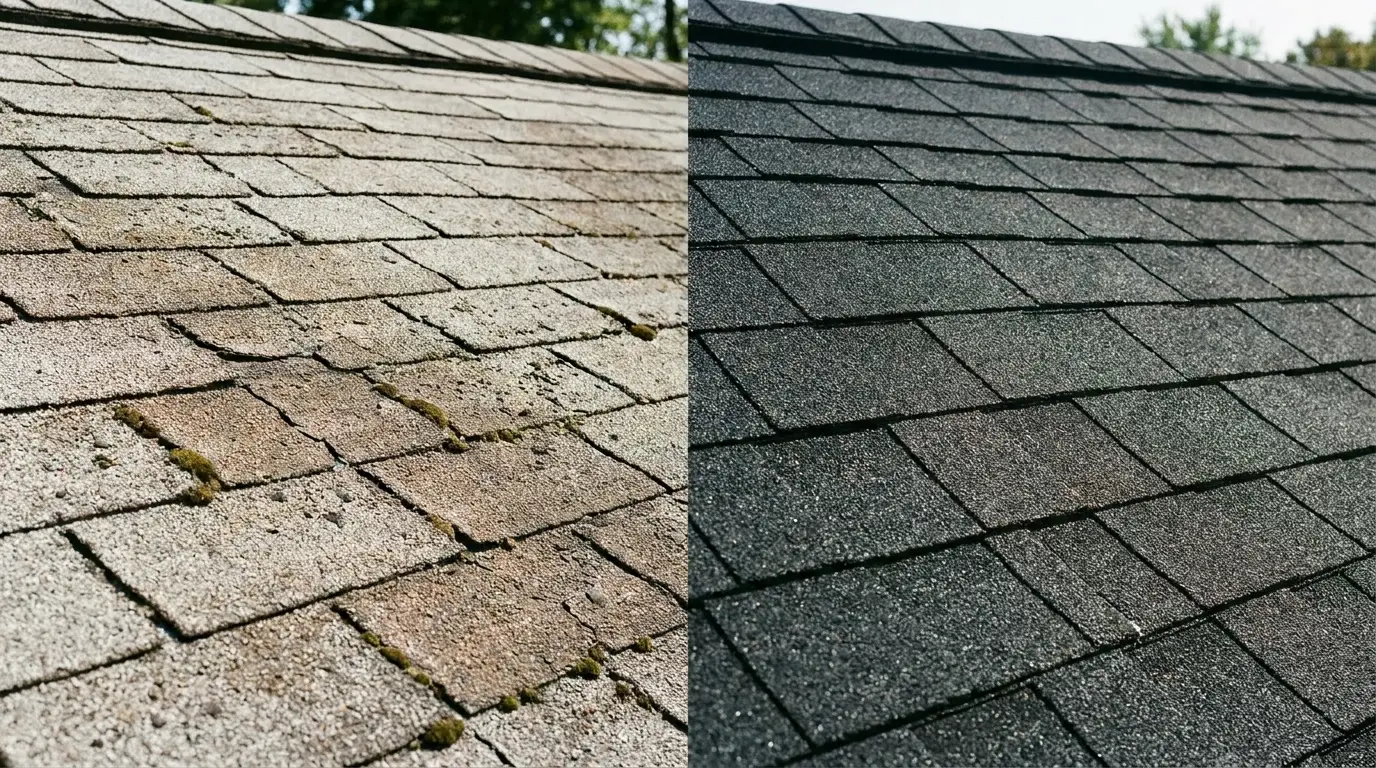
A roof rarely dies of old age in Lubbock. It gets nibbled and battered down by a handful of predictable culprits, and most of them are accelerated by our climate.
Hail & Storm Damage
Hail is the number-one roof killer on the High Plains. Impacts bruise shingles, knock protective granules loose and fracture mats, exposing the asphalt to UV. Even “minor” hail that looks fine from the ground can shave years off the roof by stripping its weather layer, and a single large-stone storm can total an otherwise healthy roof outright.
Sun & Heat
West Texas sun is brutal. Intense UV and high roof-deck temperatures dry out asphalt binders, causing shingles to become brittle, curl and crack. Dark roofs bake hottest, and the daily heat-up/cool-down cycle works fasteners loose over time. Sun damage is slow but relentless, quietly aging a roof even in years without a big storm.
Poor Attic Ventilation
An under-vented attic traps heat and moisture, cooking shingles from below and roughly doubling the thermal stress on them. Trapped humidity also rots decking and rusts fasteners. Proper intake and exhaust ventilation is one of the cheapest ways to add years, and its absence is one of the most common reasons Lubbock roofs die early.
Installation Quality & Maintenance
Even great materials fail fast when nailed wrong, under-lapped or left unmaintained. Overdriven nails, missing starter strips and neglected flashing invite leaks and wind uplift. Skipping inspections lets small problems, a lifted shingle, a cracked boot, grow into deck rot. Workmanship and upkeep often matter more than the brand on the bundle.
Why Lubbock Roofs Do Not Last as Long as the Label Says
National lifespan averages assume a gentler sky than ours. Lubbock sits in one of the hardest roofing environments in the country, where three forces gang up to erode roofs faster than almost anywhere else.
The gap between the warranty and reality is well studied. The Insurance Institute for Business & Home Safety researches how roof coverings actually age and fail under hail and wind, and the National Weather Service in Lubbock keeps the storm record that explains why Lubbock roofs rarely reach their rated life.
Hail Alley
Lubbock lies squarely in Hail Alley, the swath of the plains that sees the nation’s most frequent large hail. Spring and early summer storms can drop stones from pea to baseball size in minutes. This single factor is why our asphalt roofs so often get replaced at 12–15 years, not from wear, but from a storm that ends the roof in one afternoon.
High-Plains Wind
Steady wind and frequent gusts topping 50–60 mph pry at shingle edges, lift tabs and drive blowing dust and grit under the laps. Over years, that abrasion and repeated uplift loosen seals and fasteners, so shingles let go earlier than their wind rating suggests. Ridge caps, edges and any previously lifted areas are usually the first to surrender.
Intense UV & Dry Heat
At our elevation with abundant sunshine and low humidity, UV exposure is exceptionally strong. Combined with big daily temperature swings, it dries and embrittles shingles faster than in humid, cloudier regions. The dry air that makes Lubbock comfortable is the same air that slowly cracks and curls a roof, shortening its usable life well before the warranty runs out.
How to Get the Most Years From Your Roof
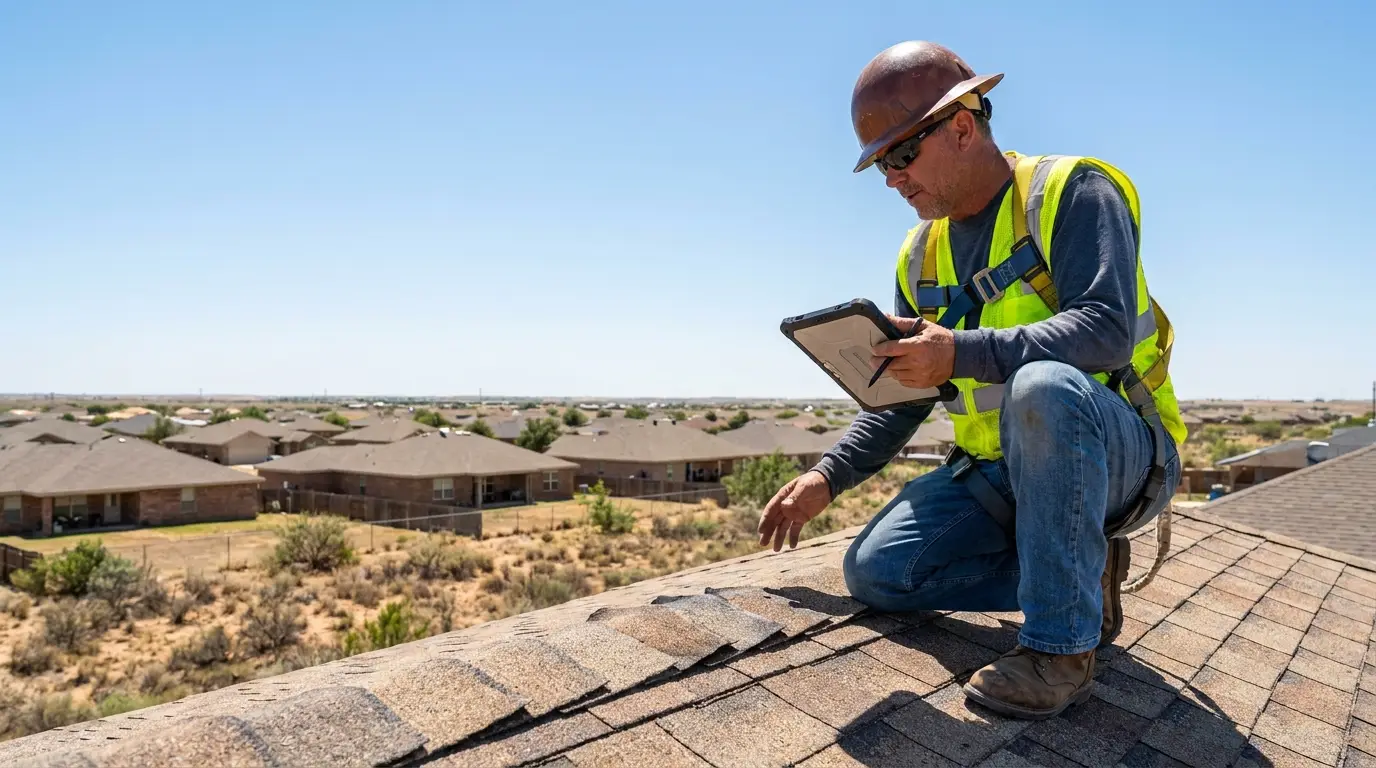
You can’t stop Lubbock’s weather, but you can meaningfully stretch your roof’s life. Start with a professional inspection once a year, and always after any significant hail or windstorm, catching bruised shingles or lifted flashing early prevents small damage from spiraling into leaks and deck rot. Keep your attic properly vented so heat and moisture escape instead of cooking the underside of your shingles. Fix issues promptly: a $200 flashing or boot repair today beats a five-figure replacement plus interior damage later. Clear debris, trim overhanging limbs and keep gutters flowing so water leaves the roof cleanly.
When replacement time does come, treat it as an upgrade opportunity. Moving from 3-tab to impact-resistant architectural shingles, or stepping up to metal roofing, can double or triple the years you get and may earn an insurance discount for hail resistance. In Hail Alley, buying durability up front usually pays for itself.
Final Word: Know Your Roof's Real Age
The lifespan on the shingle wrapper was never written for West Texas. In Lubbock, plan on real-world numbers, roughly a dozen years for cheap asphalt, up to two decades for quality architectural shingles, and generations from metal or tile, and treat every hail season as a potential reset. The smartest move is knowing where your roof actually stands before the next storm decides for you. If you’re unsure of your roof’s condition or age, Elite Roofing and Exterior will give it an honest, no-pressure look. Call (806) 451-3393 or explore our roofing services to protect what’s over your head.
Frequently Asked Questions About How Long a Roof Lasts in Lubbock
Quick answers to what Lubbock homeowners ask most about how long a roof lasts
In Lubbock’s climate, a basic 3-tab asphalt roof typically lasts 12–15 years, and thicker architectural shingles 15–22 years, noticeably less than the 20–30 years advertised. The main reason is hail: even when shingles could physically last longer, a single Hail Alley storm often totals the roof early. Strong UV and wind speed up wear too, so real-world lifespans here run well below national averages regardless of the warranty length.
Not always, but it’s the leading reason Lubbock roofs get replaced early. Small hail may only knock loose granules, shortening the roof’s life without an immediate leak. Larger stones can fracture shingle mats and warrant full replacement, often through an insurance claim. The only way to know is a professional post-storm inspection, damage that’s invisible from the ground can quietly halve your roof’s remaining years, so never assume it’s fine.
For many Lubbock homeowners, yes. Metal roofing lasts 40–70 years, resists wind far better than shingles, and shrugs off UV and heat that embrittle asphalt. Large hail can dent panels, but dents are usually cosmetic rather than failures. Metal costs more up front and may earn an insurance discount for durability. Over decades, and multiple hail seasons, it often costs less per year than repeatedly replacing shingle roofs.
If you don’t have records, check for a permit on file with the city, ask previous owners, or look at closing documents. A roofer can also estimate age and remaining life from wear patterns: granule loss, curling, brittle shingles and worn flashing. Remember that age and condition aren’t the same in Lubbock: a younger roof can be storm-damaged while an older, well-vented one holds up. An inspection gives you the real picture.
Three habits matter most: inspect annually and after every hailstorm, keep your attic properly ventilated, and repair small problems immediately. Good ventilation alone can add years by keeping shingles from cooking from below. Clear debris, trim branches and maintain gutters so water drains cleanly. When it’s time to replace, upgrading to impact-resistant or metal roofing buys extra durability, a smart trade in Hail Alley where storms cut roofs short.