The best time to prepare for hail season in Lubbock is February, six weeks before the first supercell lines up west of town and comes across the Caprock. By the time the sirens go off in May, everything on this list is either done or it is not, and the difference shows up in what your roof looks like afterward and in how a claim goes. Hail is the one weather event on the South Plains that reliably costs homeowners real money.
None of this is complicated. It is a walk around the house, a few small repairs, some photographs, and a folder of paperwork you hope you never open. We run the same checklist on our own houses. Here is the order we do it in, what it costs, and the pieces most Lubbock homeowners skip.
On this page, a complete guide to prepare for hail season in Lubbock, TX:
- Quick Answer: How to Prepare for Hail Season in Lubbock
- The Pre-Season Checklist
- Documenting Your Roof Before the First Storm
- What Hail Season Actually Looks Like on the South Plains
- Upgrades That Prepare for Hail Season Long Term
- Final Word: Prepare for Hail Season Before March, Not After the Storm
- Frequently Asked Questions About How to Prepare for Hail Season
Quick Answer: How to Prepare for Hail Season in Lubbock
Do four things before March 1. Get the roof inspected and any loose or missing shingles repaired. Photograph every slope of the roof and all four elevations of the house so you have dated before pictures. Pull your policy and read your wind and hail deductible, your replacement cost coverage, and your reporting deadline. Then clear the gutters and trim back anything that overhangs the roof.
Those four steps cover most of the risk. A roof tune-up in this market typically runs $300–$900 depending on what is found, and it is the cheapest insurance you will buy all year, because a shingle that was already lifted is the one that blows off in the 60 mile per hour outflow ahead of the hail. If your roof is over 15 years old and you are already thinking about replacement, doing it before hail season with impact-resistant shingles solves two problems at once and may cut your premium.
The short way to prepare for hail season: inspect and repair the roof, document everything with dated photos, know your deductible and your policy deadlines, and clear the gutters and trees. Finish it before March. Hail season on the South Plains runs March through June and does not wait on your schedule.
The Pre-Season Checklist
Everything you need to prepare for hail season fits in one Saturday. Most of it is looking rather than fixing, and the fixing that does come out of it is small. Take a notepad and your phone, start at the street, and walk the whole property before you get on a ladder. Half of what matters is visible from the ground with a decent pair of eyes.
The point of the list is not perfection. The point is that when a storm does hit, you know exactly what condition the house was in the day before, you know what your policy covers, and there is nothing loose waiting to become a bigger repair. That combination is what separates a two week claim from a four month one. Write the date at the top of your notepad page and keep it with the photos, because in September you will not remember whether you did this in February or the year before.
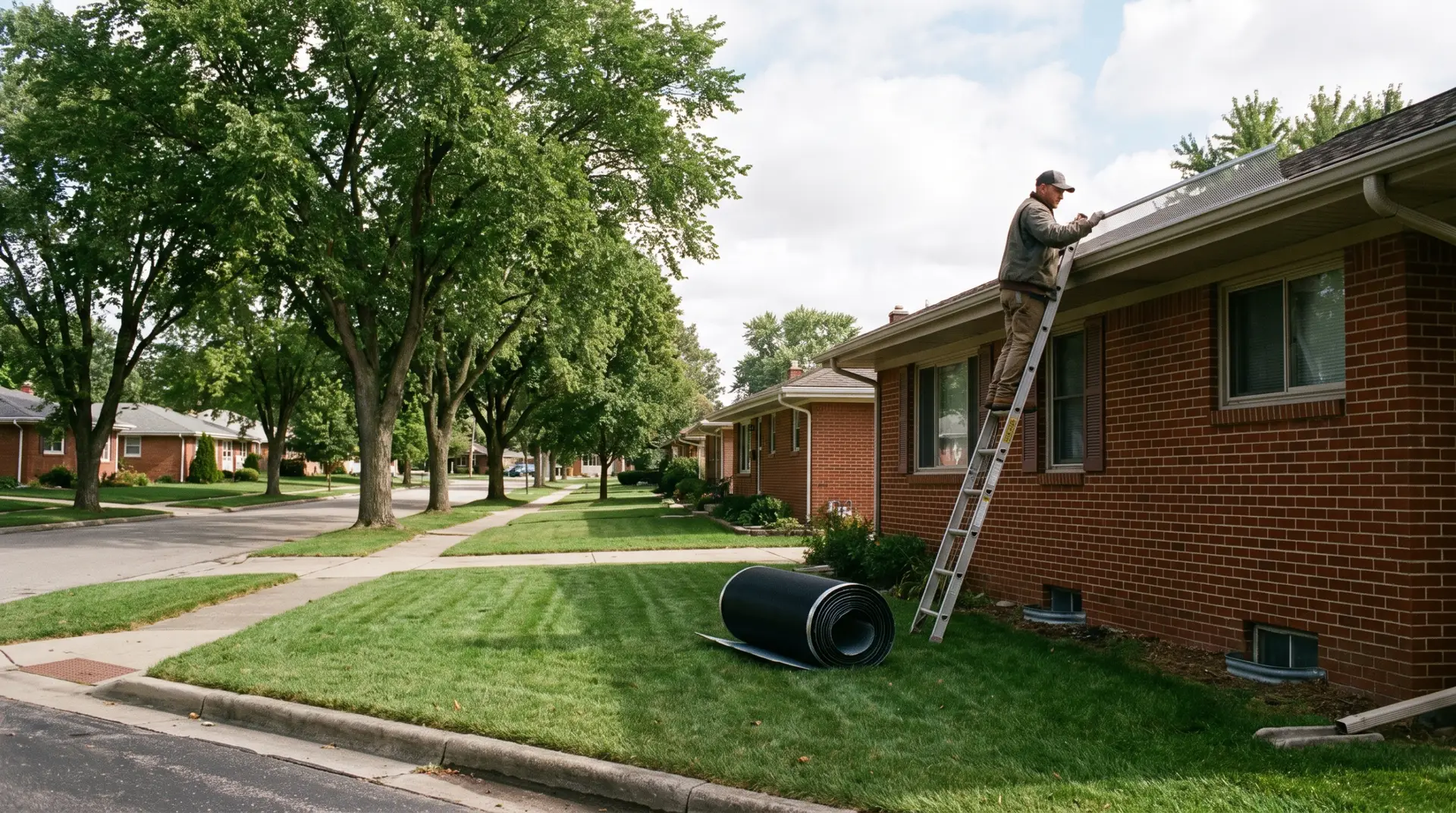
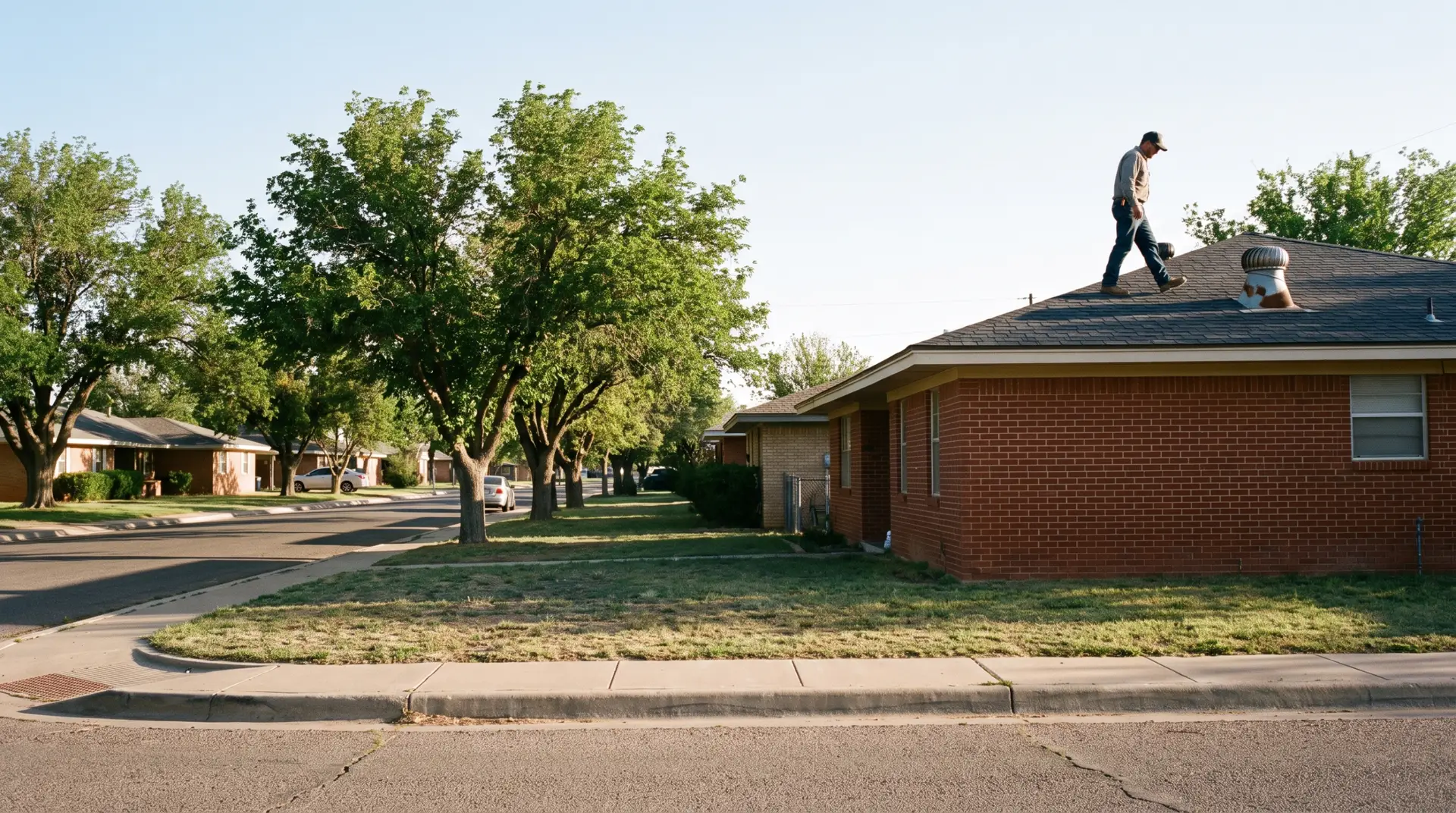
- Book a professional roof inspection: Have every slope walked, not just viewed from the driveway. Ask specifically about lifted tabs, exposed fasteners, cracked pipe boots, loose ridge cap, and the condition of the flashing at chimneys and walls.
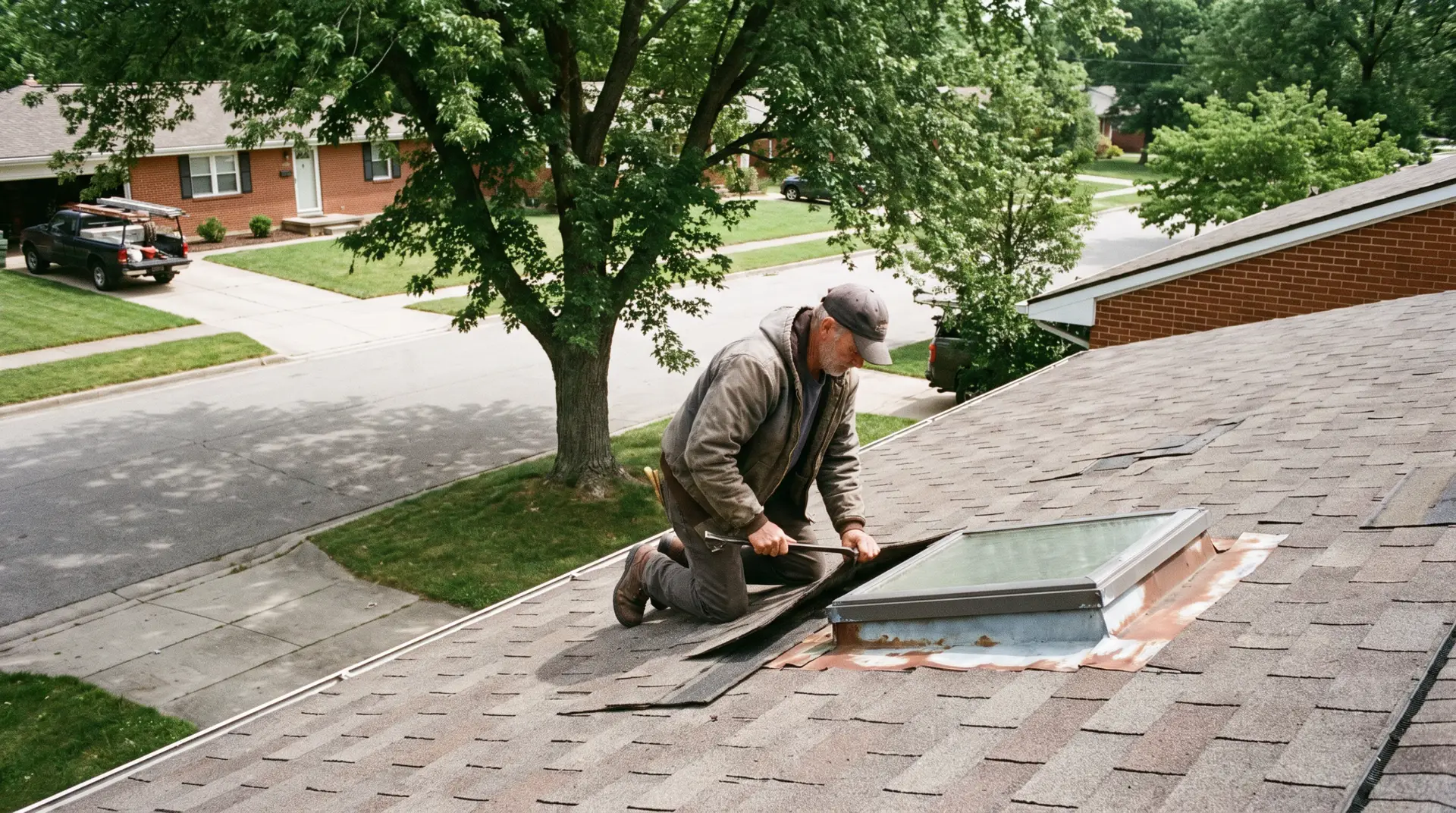
- Repair the small stuff now: Reseal exposed nail heads, replace failed pipe boots, re-nail lifted shingles, and refasten loose ridge vent. These are one-hour items in February and thousand dollar items after a storm gets under them.
- Photograph the house before the season: Wide shots of each roof slope, each elevation, the gutters, the fence, the AC condenser fins, and the garage door. Keep timestamps on and store the originals somewhere off your phone.
- Read your policy and write down the numbers: Note your wind and hail deductible, whether you have replacement cost or actual cash value on the roof, any cosmetic damage exclusion, and how many days you have to report a loss.
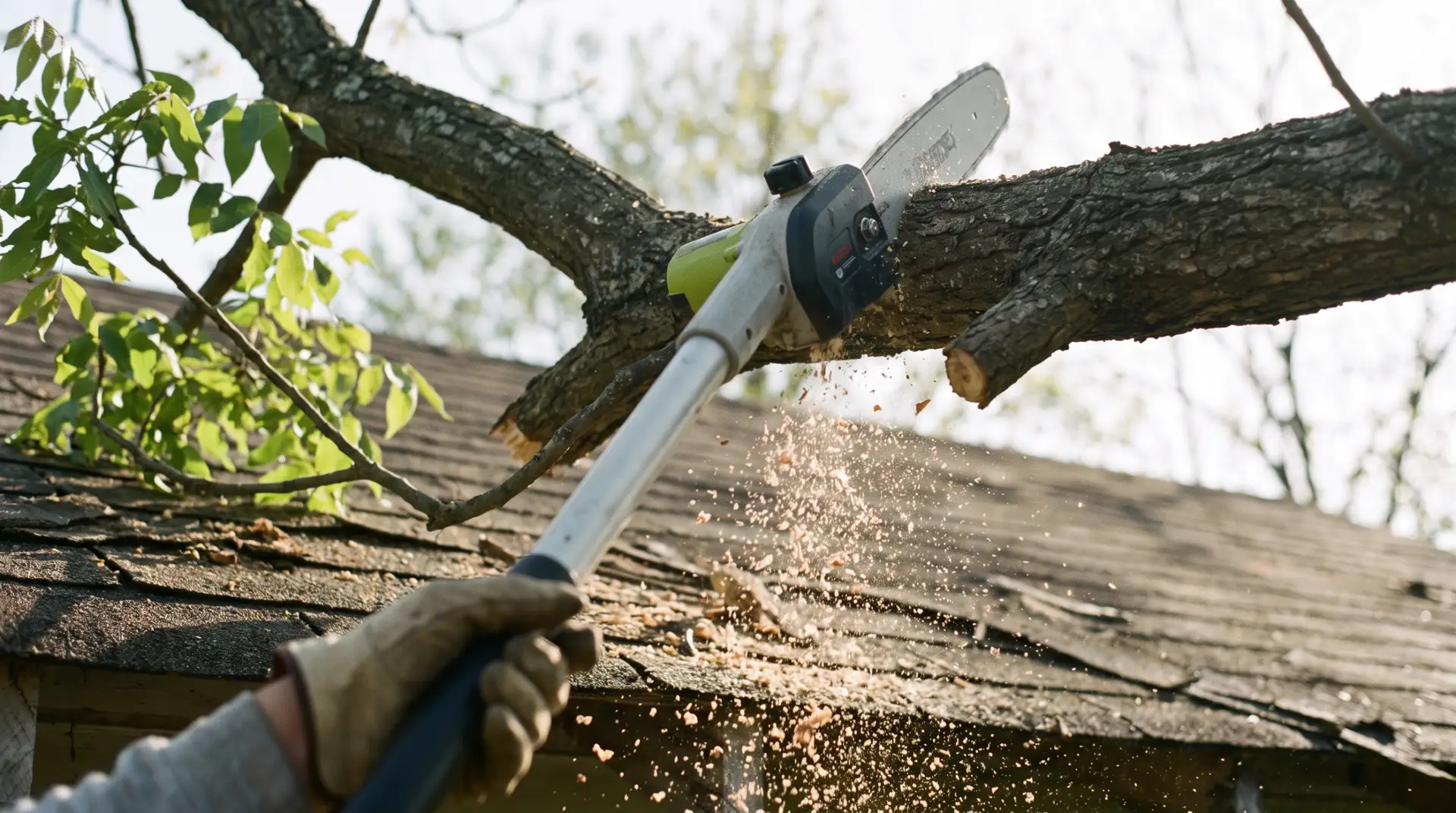
- Clear gutters and trim the trees: Clean gutters and downspouts so the storm’s rain has somewhere to go, and cut back limbs that overhang the roof, since wind-driven branches do as much damage as the hail itself in a lot of Lubbock yards.
- Plan for the cars and the patio: Decide now where vehicles go when a warning is issued, clear the garage so they fit, and know which patio furniture, grills, and potted plants come inside.
One caveat about timing. Every roofer in Lubbock is booked solid from May through August, so a February inspection gets you an unhurried appointment and honest scheduling. Waiting until the week after a storm means competing with the entire city, and it is also when out-of-town crews show up at the door. Hire local companies that will still be here in three years when a warranty question comes up. Texas requires no state roofing license, so verify liability insurance, workers compensation, a physical Lubbock address, and a real history in this market before anyone touches your roof. Get the scope in writing with the shingle line, the underlayment, and the ventilation plan spelled out.
Documenting Your Roof Before the First Storm
Photographs are the part people skip when they prepare for hail season, and they are the part that pays. An adjuster standing on your roof in June is looking at damage and trying to decide how much of it is new. If you can hand over a set of dated March pictures showing clean, intact shingles across every slope, that argument mostly goes away. Without them, wear and tear becomes an easy answer.
Shoot it in a specific order so nothing gets missed. Start with all four elevations from the street or the yard, wide enough to show the roof line. Then get a slope-by-slope set: front, back, and both sides, including any dormers and the garage. Add close-ups of the soft metal items that hail marks first, which are the gutters, downspouts, roof vents, the AC condenser fins, and window screens. Those soft metals are often what an adjuster uses to confirm hail size and direction. Ten minutes of shooting in February is the whole job.
Store the photos in cloud storage or email them to yourself so they survive a lost phone, and keep the policy declarations page in the same folder. If you would rather have the documentation done properly, a professional roof inspection in Lubbock produces a written report with photographs that carries more weight than a phone gallery.
What Hail Season Actually Looks Like on the South Plains
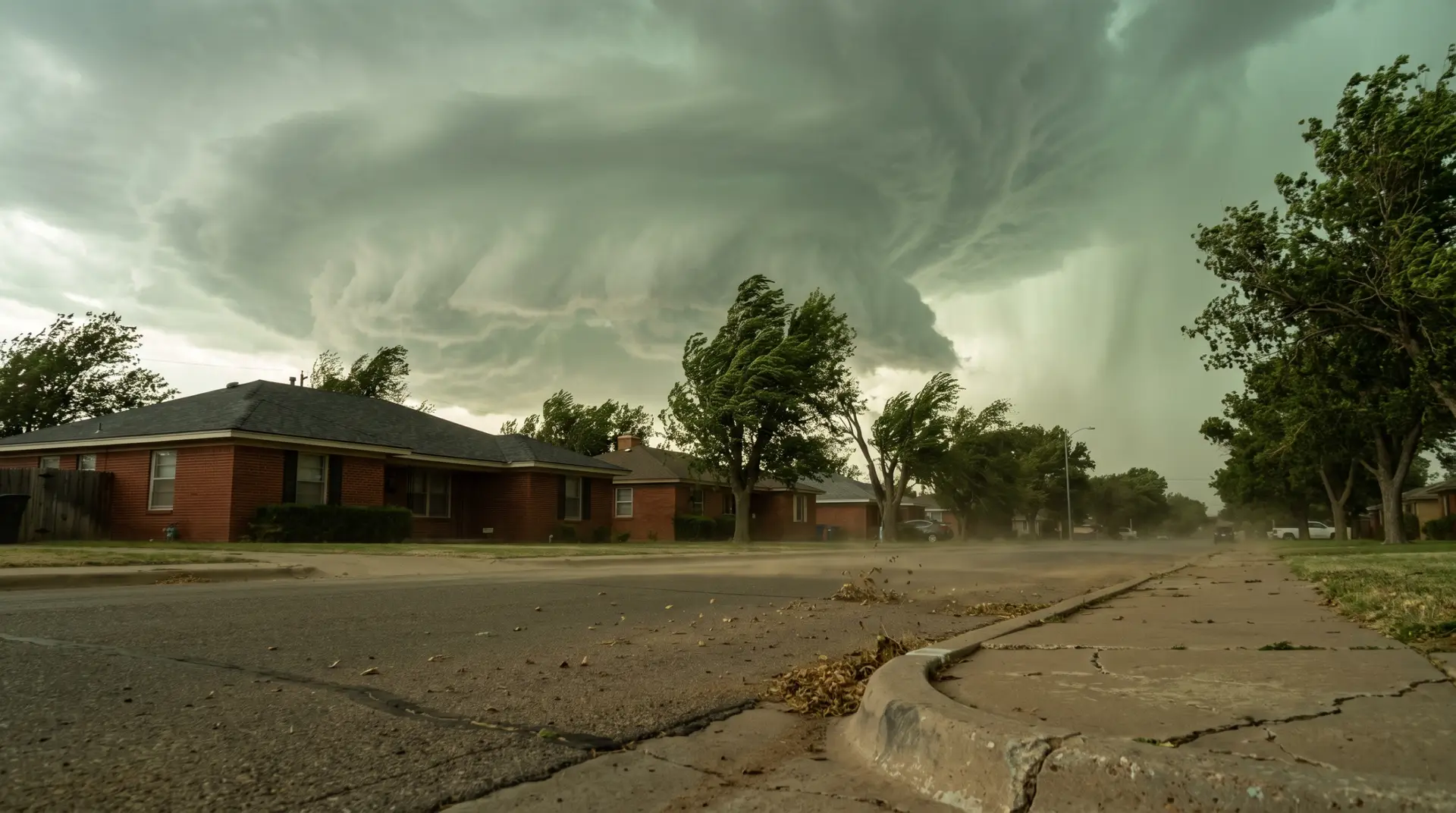
Lubbock sits in one of the more active hail corridors in the country, and the pattern is consistent enough that you can plan around it. Storms build along the dryline in the afternoon, track northeast, and the same neighborhoods take repeated hits in a bad year. Knowing the rhythm of the season helps you decide when to schedule work, when to move the cars, and how urgently to answer a knock at the door in June. It also explains why insurance rates here look the way they do.
March Through June Is the Window
The season ramps up in March, peaks in May and early June, and tapers off as summer heat settles in, though a September storm is never out of the question. Most events fire between three in the afternoon and midnight. That timing matters because it means you usually get a few hours of warning, and because damage often happens after dark, when nobody sees the stones and the only evidence the next morning is a pile of granules at the bottom of a downspout. Check the gutters the morning after any loud storm, and look at the top of the AC condenser too, since its aluminum fins bend at hail sizes that leave shingles looking fine from the ground.
Wind Arrives Before the Hail
The outflow ahead of a Lubbock supercell regularly hits 60 miles per hour and sometimes far more. That wind lifts shingle tabs, breaks seal strips, and pulls loose flashing before a single stone lands. Then the hail hits the exposed edges it just opened. This is exactly why the small February repairs matter so much. A roof with everything sealed and fastened tight takes a hail event as a series of bruises. A roof with lifted tabs takes it as missing shingles and a leak. The same outflow is what sends unsecured patio furniture through a window, which is why the last item on the checklist is not an afterthought.
Damage Is Not Evenly Spread Across Town
Hail cores are narrow. One storm hammers Wolfforth and southwest Lubbock, the next runs over Tech Terrace and out toward Idalou, and a house two miles away sees nothing. That is why a neighbor’s new roof means nothing about yours, and why you should have your own roof looked at rather than assuming. It also means the date of loss matters enormously on a claim, since your address may have been hit by the April storm and not the May one everyone remembers. Save the local storm reports for your own address each spring so you can point to a date later.
Upgrades That Prepare for Hail Season Long Term
If the roof is nearing the end of its life anyway, the material choice you make is the biggest single decision available to you. Class 4 impact-resistant shingles are tested by dropping steel balls on them, and they hold up to moderate hail far better than standard architectural shingles. Most Texas carriers offer a premium discount for them, which over a fifteen year stretch often covers a meaningful share of the upcharge. The Insurance Institute for Business & Home Safety hail research program publishes the testing behind these ratings, including how impact ratings translate to real-world performance.
Metal roofing is the other serious answer in West Texas, with the caveat that hail can dent standing seam panels without affecting how they shed water. Since many policies carry a cosmetic damage exclusion on metal, read that endorsement closely before you buy. Ventilation and attic details matter too, because a roof deck that has been cooking at 150 degrees for a decade holds fasteners poorly and turns brittle. Adding intake and exhaust ventilation during a replacement costs little and extends the life of whatever you put on top of it.
Beyond the roof, the practical upgrades are simple: a carport or a cleared garage bay, screens over skylights, and heavier gauge gutters. Our comparison of impact-resistant shingles in Lubbock covers cost, brands, and how the insurance discount actually works so you can run the numbers before you commit. Ask any contractor to show you the manufacturer certification for the product and the discount letter your carrier will want.
Final Word: Prepare for Hail Season Before March, Not After the Storm
The homeowners who come through a bad hail year in good shape all did the same handful of things early. They had the roof looked at in the winter, they fixed the small stuff, they took pictures, and they knew their deductible before the adjuster ever called. Nothing on that list requires a big check, and all of it gets harder to do once the whole city is calling the same contractors. That is the entire reason to prepare for hail season in the winter instead of the spring.
If a storm does hit, move fast but not carelessly. Photograph the damage the next morning, tarp anything actively leaking, report the claim within your policy window, and get an independent inspection before the adjuster arrives so you know what is actually up there. Skip anyone knocking on the door offering to cover your deductible, which is illegal in Texas anyway. A crew that is here for one season will not be here when a flashing detail leaks two winters from now.
Elite Roofing & Exterior inspects and repairs roofs across Lubbock, Wolfforth, Shallowater, Idalou, and Ransom Canyon. If you want your roof looked at before the first storm of the season, our hail damage repair crew can get you on the winter schedule. It also pairs well with the rest of your seasonal work, which we lay out in our exterior home maintenance checklist for Lubbock. Get on the calendar in January and the whole thing is behind you before the first dryline storm of the year.
Frequently Asked Questions About How to Prepare for Hail Season
What Lubbock homeowners ask us every February
The active window on the South Plains runs from roughly March through June, with May and early June typically the busiest. Storms most often fire in the late afternoon and evening along the dryline and track to the northeast. Later storms in September and October happen too, so nothing here is a hard boundary. The practical takeaway is to finish inspections and repairs in January or February, while roofing crews still have open schedules and rates are not being driven by demand.
It helps a great deal, as long as it is written. A dated report with photographs of every slope establishes the condition of the roof before the storm, which takes the wear and tear argument off the table. It also catches the small defects that turn a survivable hail event into an expensive one. Keep the report with your policy documents, and repeat the inspection each year so you always have recent documentation on file when you need it.
Many Texas homeowner policies carry a separate deductible for wind and hail losses, often stated as a percentage of the dwelling coverage rather than a flat dollar amount. On a home insured for $400,000, a two percent deductible means the first $8,000 of a hail claim is yours. That number determines whether a smaller loss is even worth filing. Find it on your declarations page now rather than after a storm, because it changes how you plan repairs.
For most Lubbock homes, yes. Class 4 shingles cost more up front, usually a modest percentage over standard architectural shingles, and they resist moderate hail noticeably better. Most Texas carriers give a premium discount for a Class 4 roof, which offsets part of the difference over the life of the roof. They are not hail proof, and a large stone can still bruise one. Given how often this town gets hit, the upgrade usually pays for itself.
Walk the property from the ground first and photograph everything, including dents on gutters and downspouts, the AC condenser fins, window screens, and any granules washed out at the base of downspouts. Do not climb onto a wet roof. Call your carrier to report the loss within the window your policy requires, and get an independent inspection from a local roofer so you know what is up there before the adjuster arrives. Tarp anything actively leaking.