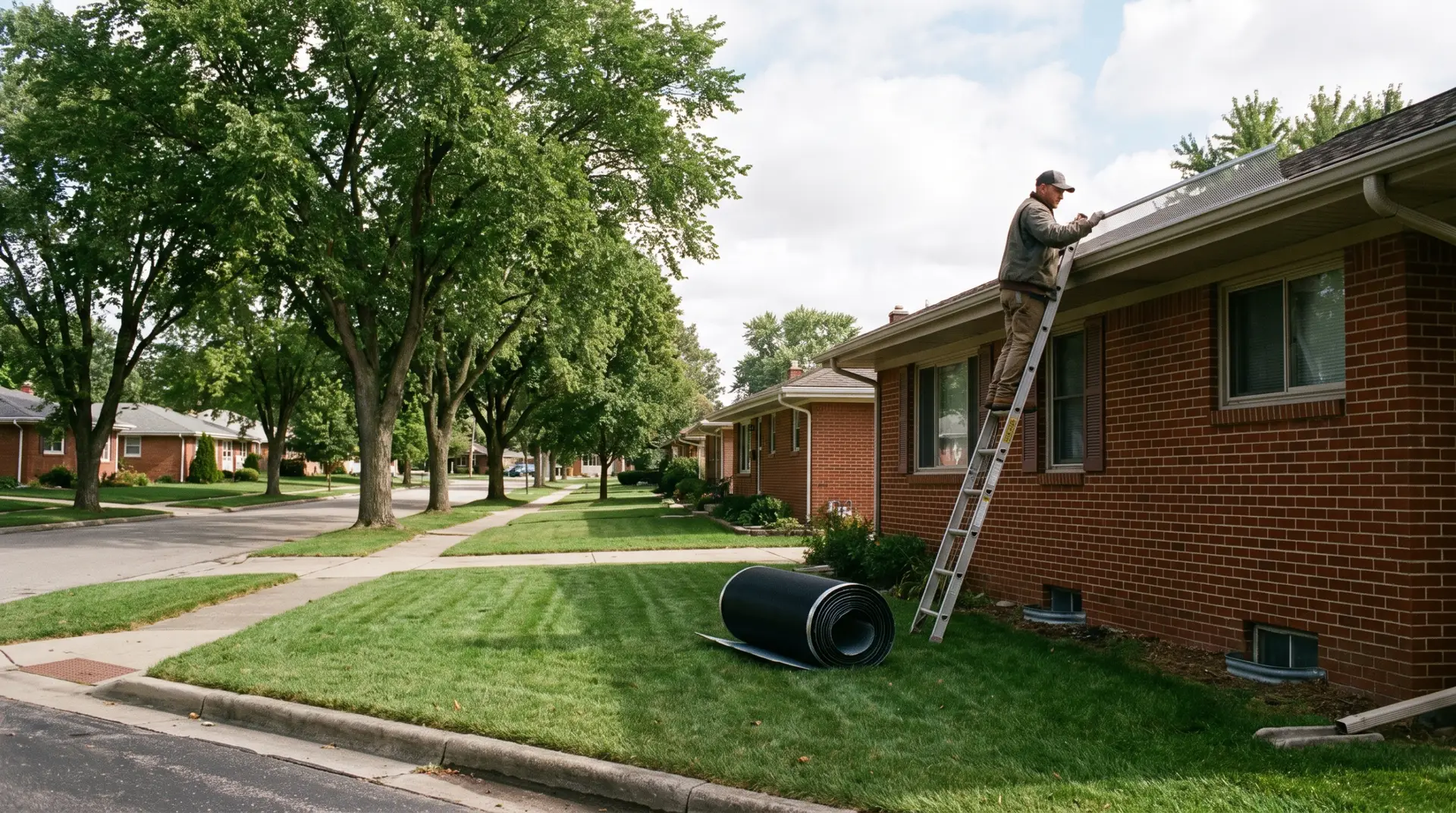
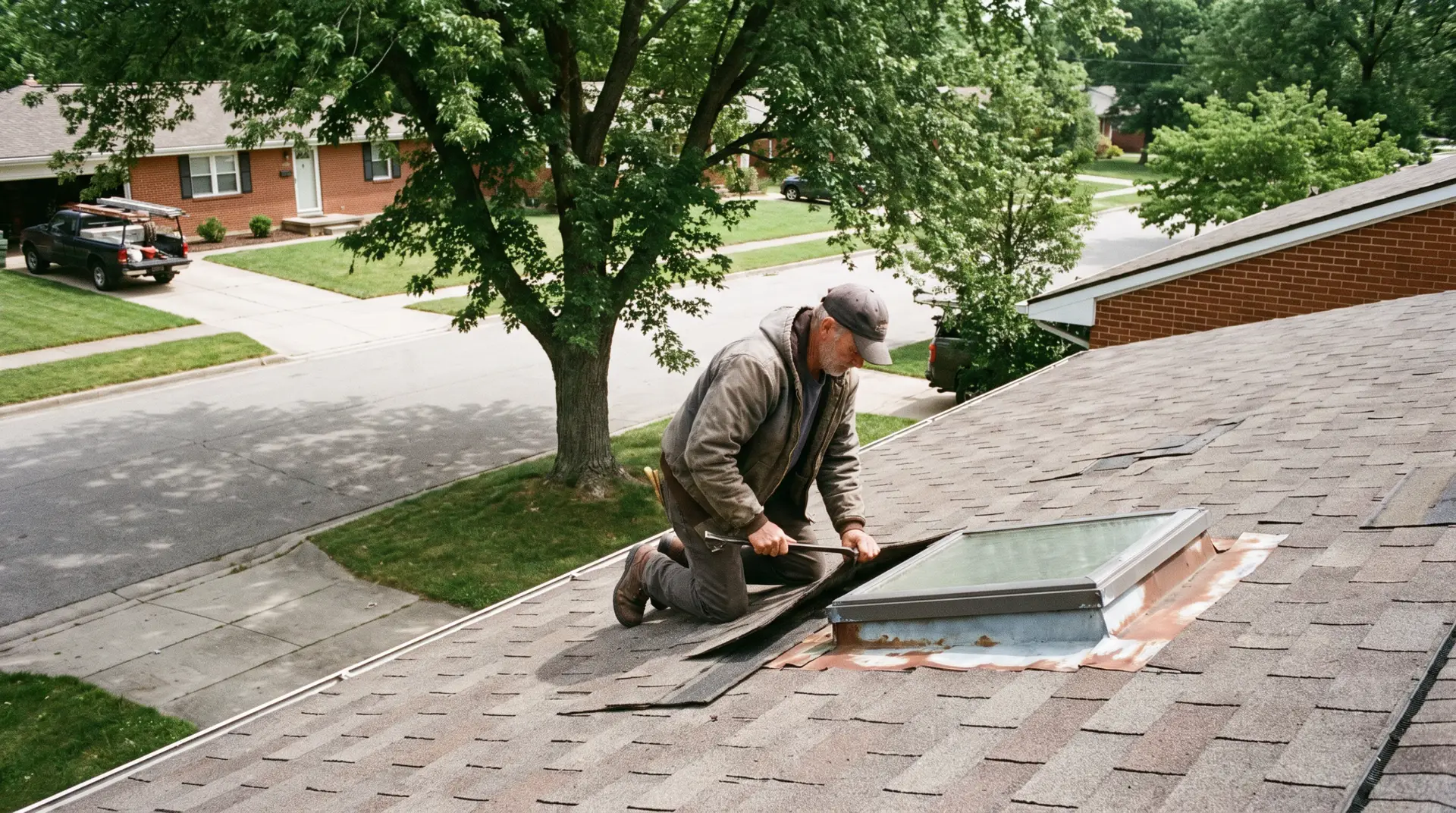
Anyone shopping for wolfforth roofing work in 2026 is usually dealing with one of two things: a hailstorm that came through in the spring, or a subdivision roof that has quietly hit the end of its service life at about the same time as every other house on the block. Both situations are common here, and both are worth handling before the next storm season.
Wolfforth sits just southwest of Lubbock in Frenship ISD, and the housing stock is different enough from central Lubbock that the roofing math changes. More newer construction, more two-story homes, more open ground to the west with nothing between the house and a 60 mph gust. This guide covers what repairs and replacements actually run, what storm damage looks like on a newer roof, and how to handle the insurance side without losing money.
On this page, a complete guide to wolfforth roofing in Lubbock, TX:
- Quick Answer: Wolfforth Roofing Costs and Timelines
- What Makes Wolfforth Roofs Different
- Storm Damage: What to Do the Week After Hail
- Why Wolfforth Roofing Takes a Harder Beating
- Wolfforth Roofing Repair or Full Replacement?
- Final Word: Get the Inspection Before the Season Turns
- Frequently Asked Questions About Wolfforth Roofing
Quick Answer: Wolfforth Roofing Costs and Timelines
For a typical Wolfforth home between 2,000 and 2,800 square feet, a full architectural shingle replacement generally lands in the $14,000 to $26,000 range in 2026, depending on pitch, roof complexity, and how much decking has to be replaced. Two-story homes with steep pitches and multiple valleys sit at the top of that band or above it.
Targeted repairs are a different scale. Replacing a section of wind-lifted shingles, resetting a pipe boot, or rebuilding chimney flashing typically runs $400 to $2,500. A full roof inspection with a written report and photos should be free from any reputable local contractor, and it is the right first step after any hail event.
On timing, the install itself is one to two days for most Wolfforth homes. The waiting is on the front end. After a significant hail event, local crews book out three to eight weeks, and insurance approval adds two to six weeks on top of that. Homeowners who call the week of the storm get their roofs done in September. Homeowners who wait until August are looking at November.
Wolfforth roofing replacement generally runs $14,000 to $26,000 for a typical 2,000 to 2,800 square foot home in 2026, with repairs between $400 and $2,500. Install takes one to two days, but hail season backlogs and insurance approval usually add four to twelve weeks before a crew can start.
What Makes Wolfforth Roofs Different
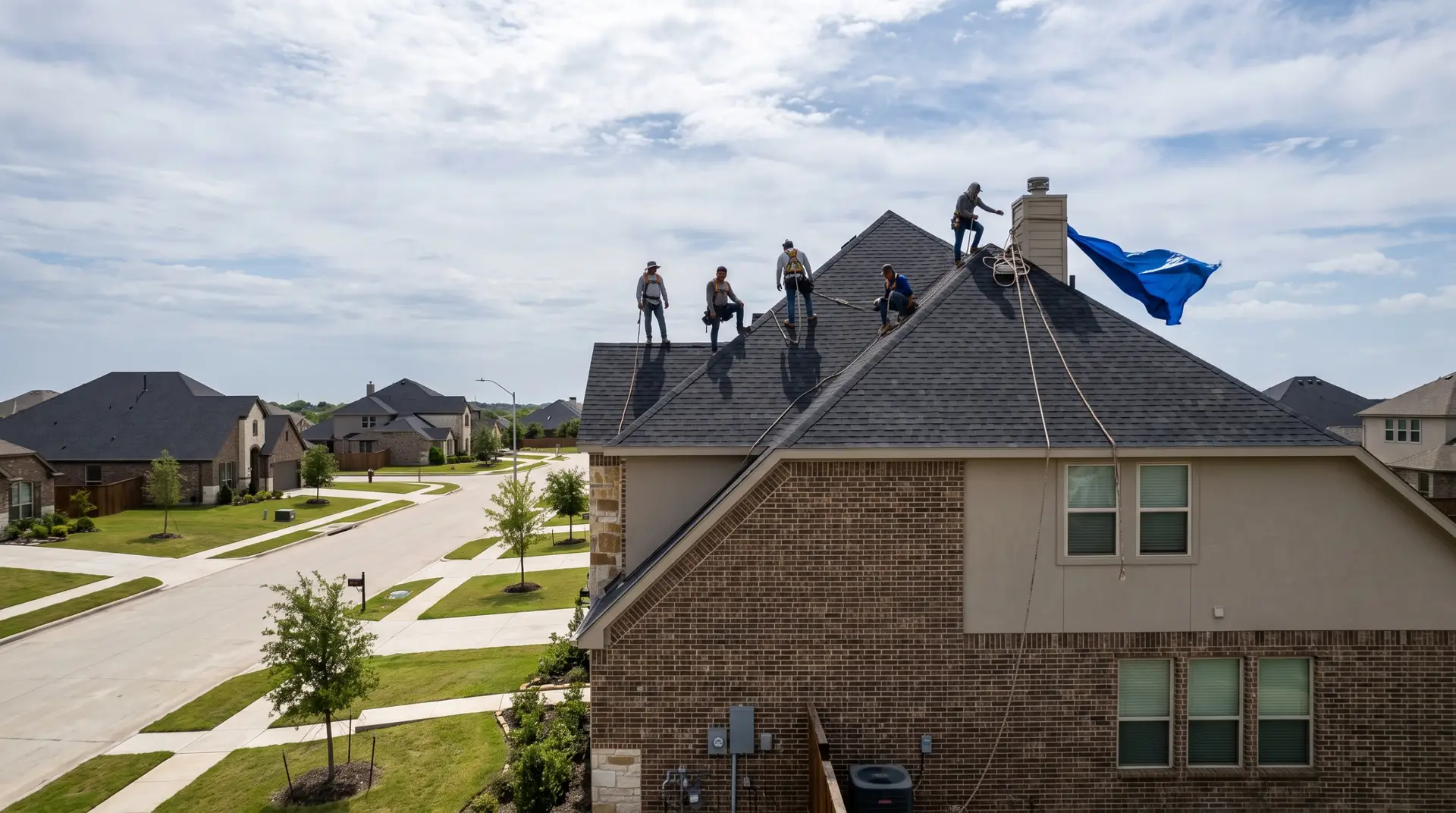
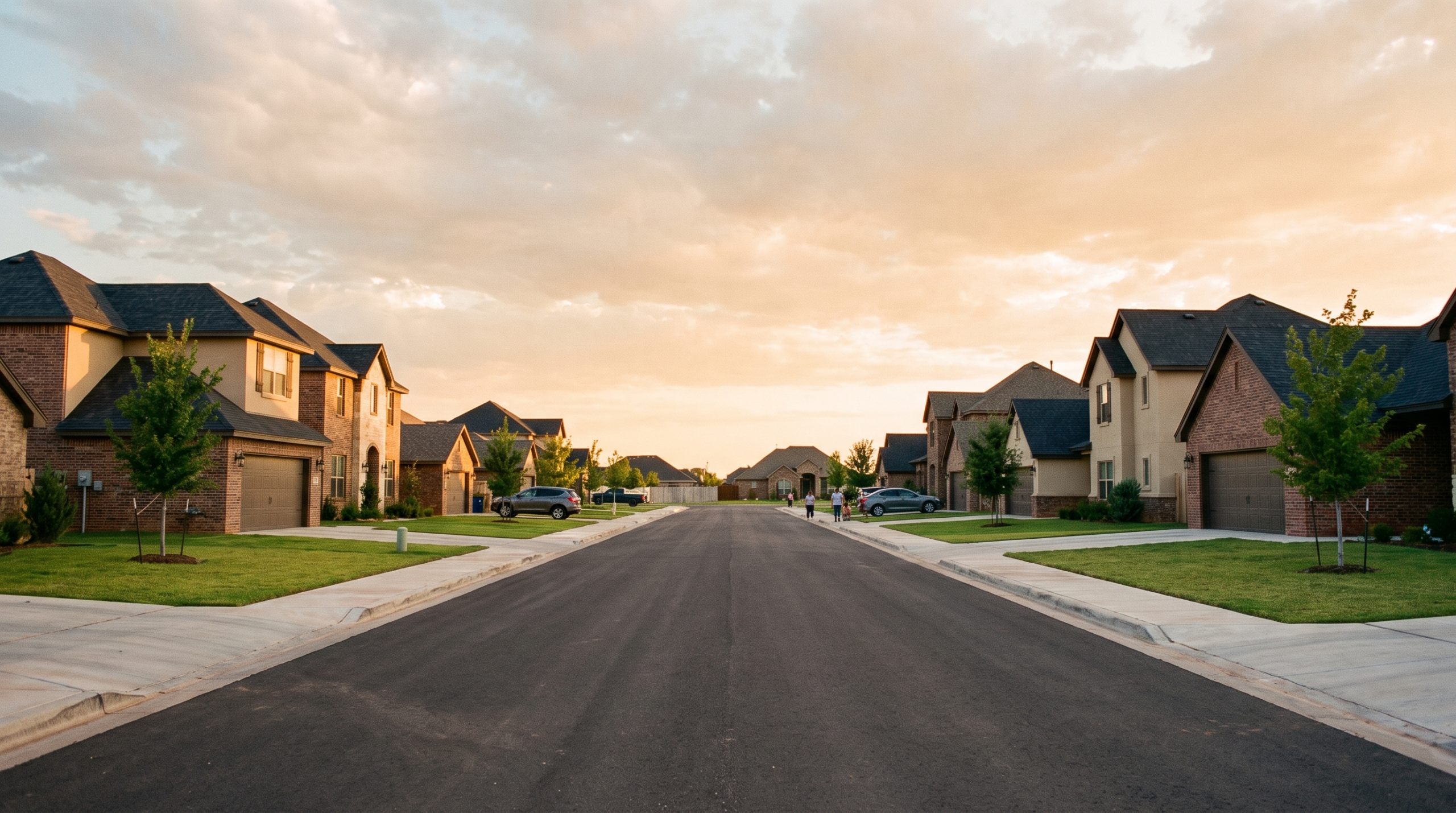
Wolfforth grew fast, and most of that growth happened after 2000 on land that used to grow cotton. That single fact shapes almost everything about roofing here. The homes are newer than the Lubbock average, they were built in clusters by the same handful of builders, and they went up on flat open ground with very little mature tree cover to slow the wind down.
Here is what a crew notices pulling up to a Wolfforth address versus a house in Tech Terrace or the older neighborhoods inside the Loop.
The other Wolfforth pattern worth knowing is the mix of roof planes over attached garages and covered patios. Builders here love a low-slope porch tie-in against a taller wall, and that junction is where most of the leaks in this town start. Step flashing behind brick, a kicked-out diverter at the bottom of the run, and proper counterflashing are the details that decide whether that corner of the house stays dry for twenty years or drips into the soffit after the first driving rain.
- Newer roofs aging in unison: A subdivision built over three years puts every roof on roughly the same clock. Twenty years later, whole streets need replacement in the same window. That is good for scheduling and bad for pricing, since demand spikes locally. It also means your neighbor’s contractor experience is genuinely useful information.
- Builder-grade shingles as the starting point: Plenty of 2000s and 2010s Wolfforth homes were finished with entry-level architectural shingles rated to lower wind speeds than what this area regularly delivers. They perform fine for fifteen years and then start shedding tabs on the windward slope. Replacement is the chance to move up to a heavier or impact-rated product.
- More two-story homes and steeper pitches: Newer construction here leans toward taller elevations and more architectural detail, which means dormers, hip and valley intersections, and pitches that need roof jacks and harnesses. That adds labor hours and pushes some Wolfforth roofing jobs from one day to two.
- Open western exposure: Homes on the west and southwest edges of town have nothing but section road and field between them and the prevailing spring wind. Those roofs lose ridge caps and windward-edge shingles years before an identical house three streets east does.
- Attached garages and long ridgelines: Common floor plans here run long, low ridges over the garage and living areas. That geometry is easy to roof but hard on ventilation if the builder skimped, and undersized intake venting shortens shingle life from the underside where nobody can see it.
- Fewer trees, more direct sun: Young landscaping means south and west slopes take unshaded UV all day, every day. Granule loss shows up faster on those slopes than on the north side of the same house, and it is often the first honest sign a roof is done.
None of this makes Wolfforth homes worse. Newer construction with modern underlayment and proper drip edge usually outperforms a 1960s Lubbock roof by a wide margin. It just means the failure pattern is different. Wolfforth roofs tend to fail from wind and hail impact rather than from age and deferred maintenance, and that changes how an inspection should be done.
Storm Damage: What to Do the Week After Hail
Move fast and document everything. Take photos from the ground the same day, including any dents in gutters, downspouts, window screens, and the top of an air conditioner condenser. Soft metal shows hail bruising clearly, and a dented condenser fin is often what convinces an adjuster that the storm really did hit your address. Note the date and check the National Weather Service reports for confirmation of hail size in your area.
Get a professional inspection before you call your carrier. A good contractor will walk the roof, chalk the impacts, count hits per test square, and give you a written report with photos. If the damage is cosmetic or limited to one slope, they should tell you so and recommend a repair instead of a claim. Filing a claim that gets denied still shows up in your claim history, so it is worth knowing what you have first.
If the damage is real, file promptly. Texas policies carry deadlines both for filing and for collecting recoverable depreciation after the work is complete, and those deadlines run from the date of loss rather than the date you noticed. Homeowners routinely leave the depreciation portion on the table because the repair drifted past the window. The full process is covered in our hail damage insurance claim guide.
Skip the out-of-town crews that show up in the neighborhood two days after a storm with a clipboard and a magnetic door sign. Some are legitimate. Many are gone by fall, and a workmanship warranty from a company with no local address is worth nothing when a valley leaks in year three.
Why Wolfforth Roofing Takes a Harder Beating
The conditions that wear out a roof on the South Plains are not subtle, and Wolfforth catches most of them with less shelter than the built-up parts of Lubbock. Wind, hail, dust, and sun each attack a different part of the roof system, and understanding which one is doing the damage tells you what to fix.
Wind With Nothing in the Way
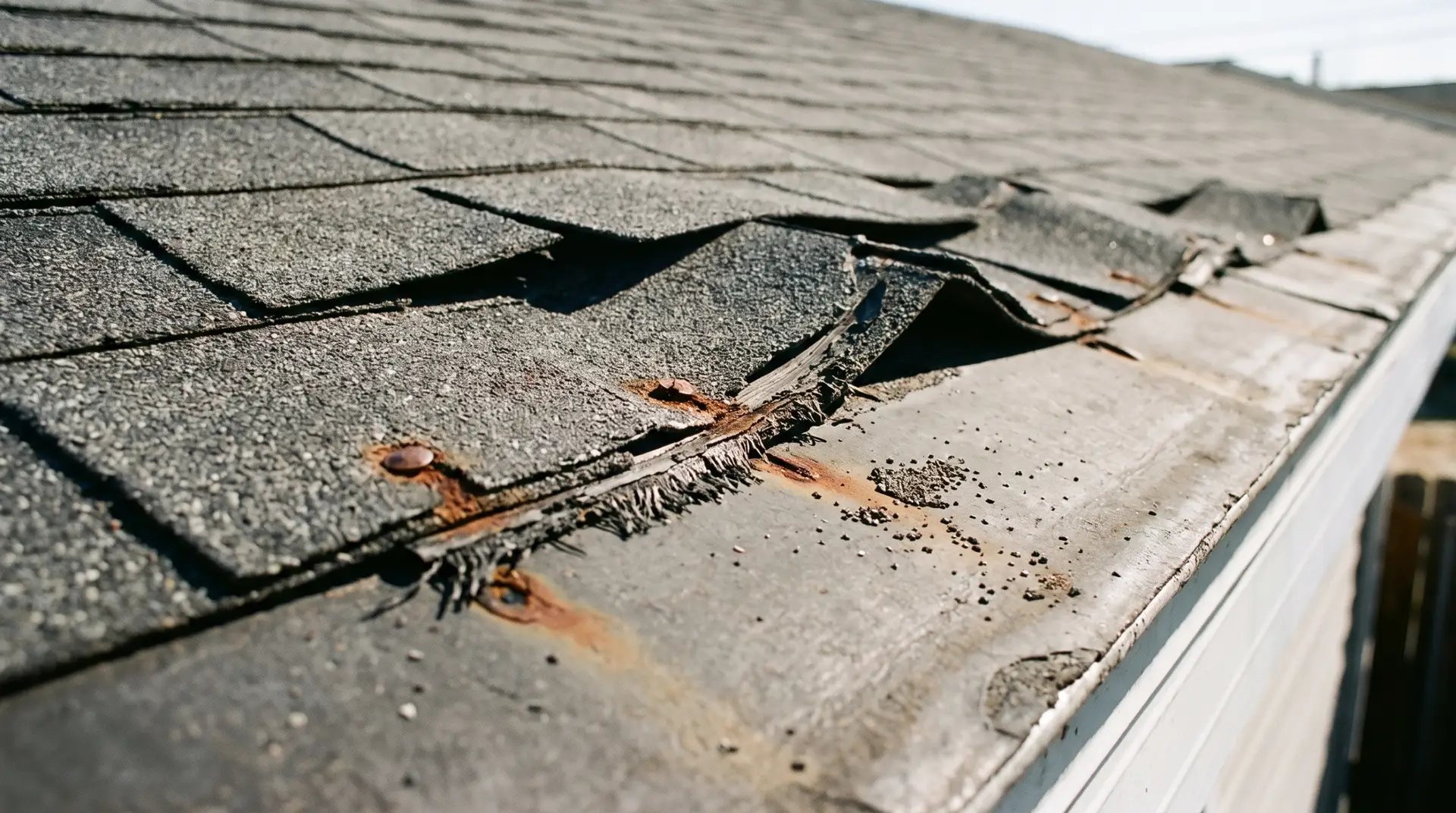
Spring here means sustained wind in the 30s with gusts well past 60 mph, and Wolfforth’s western edge takes it unbroken across open farmland. Wind damage on a roof almost always starts at an edge or a ridge, where uplift can get under a shingle tab and break the sealant bond. Once one course is loose, the next storm peels more. This is why the rake edges and the windward ridge are the first places any experienced inspector looks, and why proper starter strip and six-nail patterns matter more here than in most of the country.
Hail Season Runs March Through June
Lubbock County sits in an active hail corridor, and Wolfforth is squarely in it. Stones from pea size to golf ball or larger are a normal spring event, and the damage they do to asphalt is mechanical: the impact fractures the mat and knocks granules loose, which exposes the asphalt to UV and starts a slow failure that may not leak for two years. That delay is exactly why so many homeowners miss their filing deadline. The roof looks fine from the driveway right up until it does not.
Dust, UV, and Freeze-Thaw
Blowing caliche dust sands the granule surface and collects in valleys and gutters where it holds moisture against the roof. Intense high-plains UV bakes the asphalt underneath, driving out the oils that keep shingles flexible. Then winter runs the whole assembly through freeze-thaw cycles, sometimes several in a single week. A brittle, dried-out shingle that gets flexed by wind cracks instead of bending. All three of these are why roofs here rarely reach the full number printed on the warranty.
Wolfforth Roofing Repair or Full Replacement?
The dividing line is usually damage distribution. Isolated problems on one slope, around one penetration, or along one edge are repair work. Damage spread across multiple slopes, granule loss across the whole field, or a roof past about eighteen years in this climate is replacement territory. A repair on a worn-out roof buys a season, and the new shingles rarely match the sun-faded originals.
Age matters more than homeowners expect. A ten-year-old roof with wind damage on the west slope is a straightforward repair. The same damage on a twenty-year-old roof means the rest of the field is already brittle, and the crew will break more shingles walking on it than they replace. Any honest wolfforth roofing contractor will tell you which side of that line your roof falls on and show you the photos to back it up.
Check the storm history before you decide. The National Weather Service office that covers Lubbock County publishes local storm reports and event summaries, and their Lubbock forecast office page is the place to confirm what actually passed over your address and when. That date is what your carrier will use.
If you are replacing anyway, price impact-resistant shingles at the same time. The upcharge is real, but many Texas carriers offer a premium discount for a Class 4 rated roof, and the product handles this hail corridor better than a standard architectural shingle. Our breakdown of impact-resistant shingles and insurance savings runs the numbers.
Partial replacement comes up often enough to address directly. Insurance sometimes approves one slope, and that is legitimate when a single elevation took the hail. Just understand what you are buying: a new slope next to an old one, with a visible color difference for the first several years and two different roofs aging on different schedules. If the rest of the field is more than fifteen years old, most Wolfforth homeowners are better off applying that payment toward a full replacement and covering the difference.
Final Word: Get the Inspection Before the Season Turns
The best month to deal with a roof in Wolfforth is the one before you need to. Late summer and early fall is when crews have room on the calendar, suppliers are stocked, and the weather cooperates. That is the opposite of when most people call, which is why a spring hail claim turns into an October install date.
Ask any contractor you interview for three things: a local physical address, proof of general liability and workers compensation coverage, and a written workmanship warranty with a company name on it that will still exist in five years. Then ask what happens if the crew finds bad decking, and make sure the per-sheet price is in the bid rather than discovered later.
Elite Roofing and Exterior works Wolfforth, Lubbock, Shallowater, Idalou, and the rest of the South Plains, and we do free written roof inspections with photos whether or not it turns into a job. If your roof took hail this spring or you are just tired of finding shingle pieces in the yard after every front, start with our roofing services page or read up on how to choose a roofing contractor before you sign anything.
Frequently Asked Questions About Wolfforth Roofing
What Wolfforth homeowners ask most about storm damage, cost and contractor selection
Most Wolfforth homes land between $14,000 and $26,000 for a full architectural shingle replacement in 2026. The spread comes from roof size, pitch, the number of valleys and penetrations, and how much decking needs replacing once the old roof is off. Two-story homes with steep pitches cost more because of the added labor and safety setup. Impact-resistant shingles or standing seam metal push the number higher, but both can lower long-term cost through insurance discounts and a longer service life.
The install itself is one day for most single-story homes and two days for larger or two-story houses. The overall timeline is longer because of scheduling and insurance. Expect three to eight weeks of contractor backlog after a hail event, plus two to six weeks for a carrier to inspect, approve, and issue payment. Homeowners who start the process the week of the storm typically have a finished roof six to ten weeks later.
Get a professional inspection first. If the damage is limited to one slope or is purely cosmetic, a repair paid out of pocket is often cheaper than a deductible and does not go on your claim history. If a contractor documents impacts across multiple slopes and enough hits per test square, filing makes sense. Do it promptly, because Texas policies have deadlines that run from the date of loss and the recoverable depreciation portion is easy to forfeit.
For most homes here, yes. Wolfforth sits in an active hail corridor and takes strong spring wind with little shelter from the west. Class 4 rated shingles cost more up front but resist the granule loss and mat fracturing that ordinary shingles suffer from moderate hail. Many Texas carriers offer a premium discount for a Class 4 roof, which recovers part of the upcharge every year. Ask your agent what the specific discount is before you choose.
Use a local company. Out-of-area crews that appear after a storm often subcontract the labor, leave the market by fall, and back their work with a warranty that has no one behind it. Roof problems from bad flashing or improper nailing usually show up in year two or three, which is exactly when you need someone to answer the phone. Ask for a physical address in Lubbock County, current insurance certificates, and references from this year.