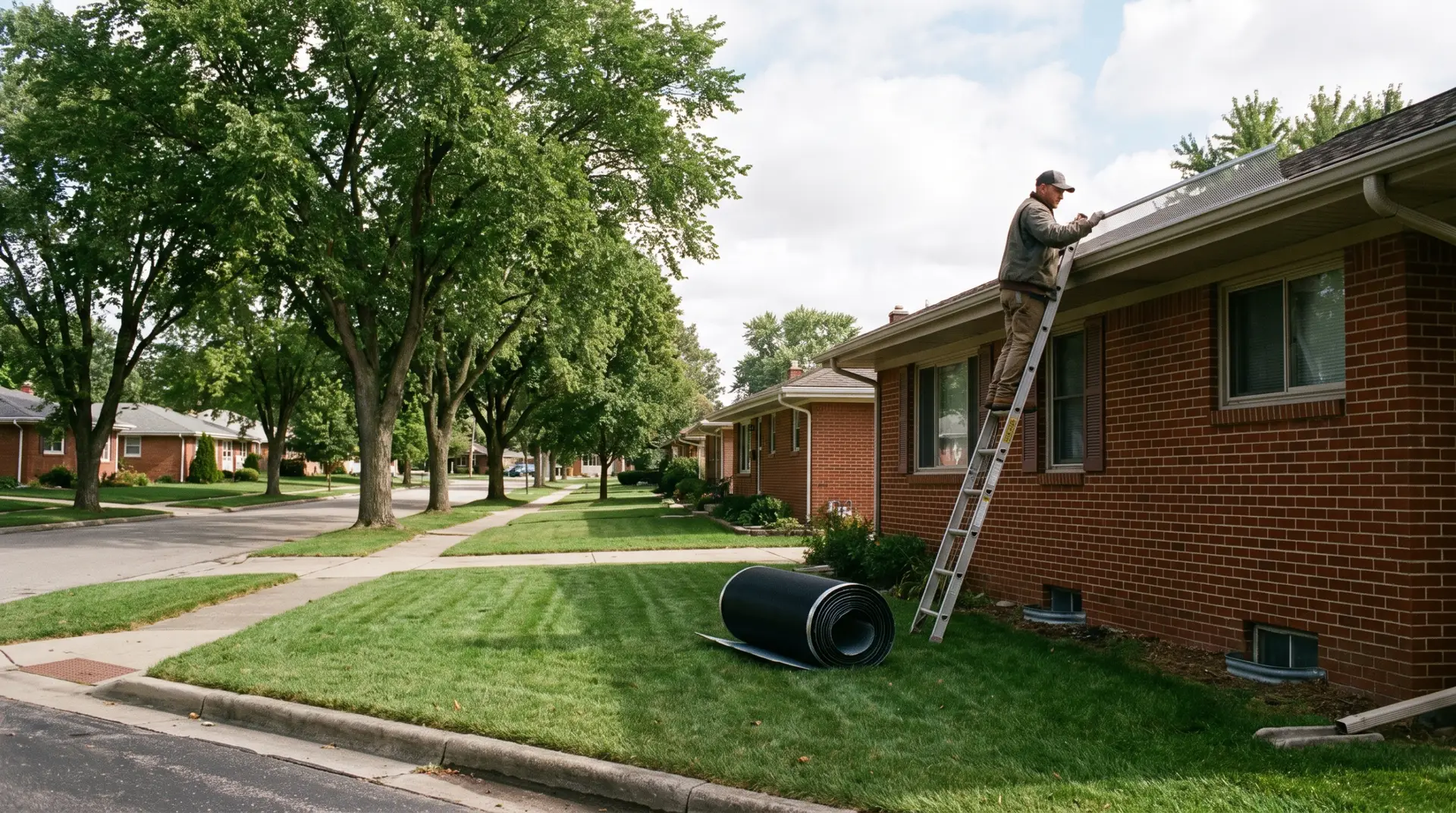
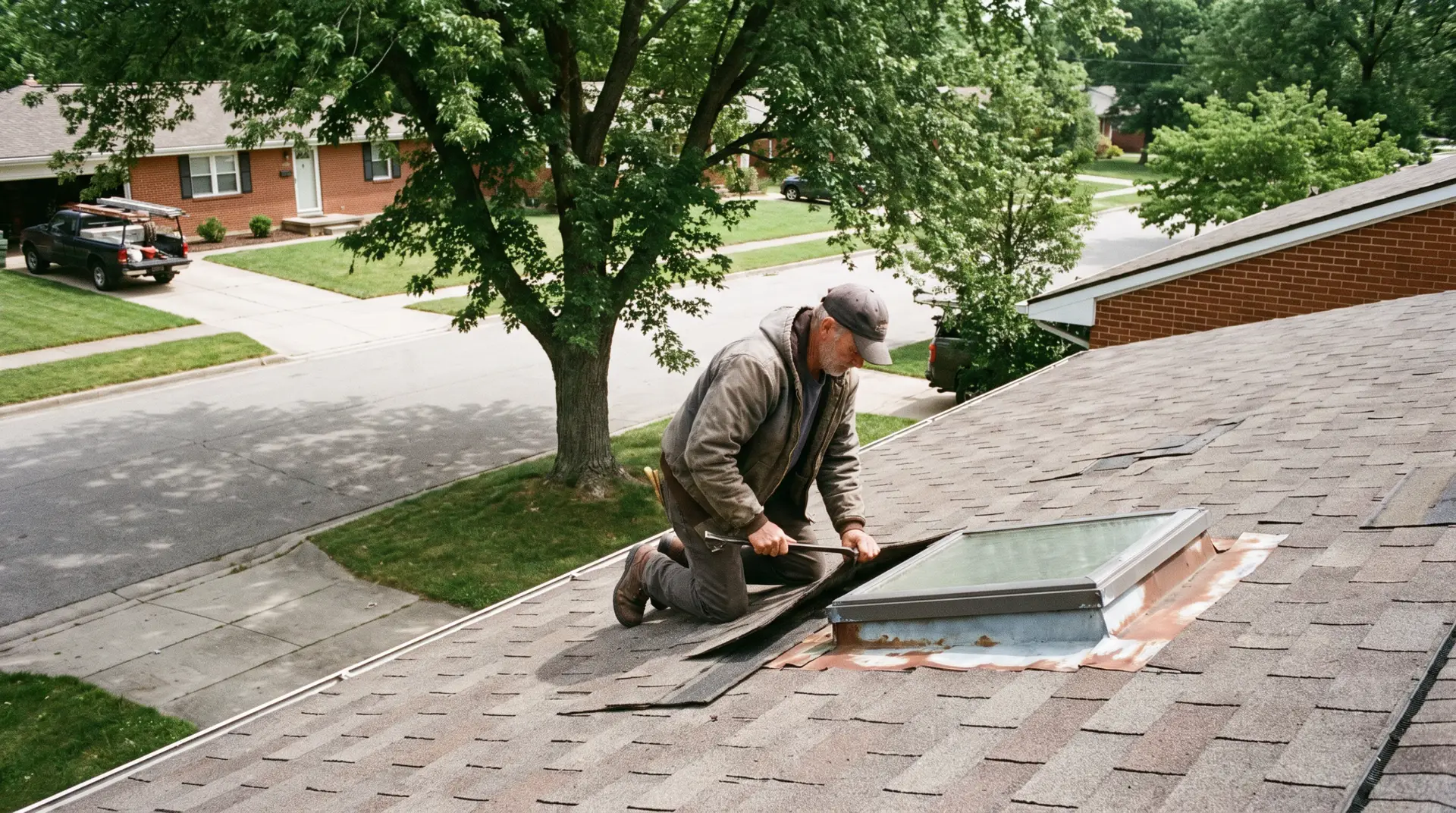
Getting a roof insurance claim denied is a gut punch, especially after you have spent a Saturday picking shingle granules out of the flower beds and hauling off a shredded patio umbrella. The letter usually shows up weeks after the storm, it leans on phrases like wear and tear or cosmetic damage, and it reads like the file is closed for good. In most cases the file is not closed. A denial is the carrier’s opening position, and Texas homeowners have a clear set of steps they can work through in order.
This guide walks those steps the way we would explain them at your kitchen table in Lubbock. One thing up front: Elite Roofing & Exterior builds and repairs roofs. We do not negotiate claims on a homeowner’s behalf, we are not public adjusters, and we are not attorneys. What a good roofer can do is inspect honestly, document what is actually on your roof, and explain the findings in plain language. That documentation is usually the piece a denied file is missing.
On this page, a complete guide to roof insurance claim denied in Lubbock, TX:
- Quick Answer: Roof Insurance Claim Denied? Here Is Your First Move
- 7 Steps to Take After a Roof Insurance Claim Denied Letter
- Common Reasons Texas Carriers Deny Roof Claims
- How West Texas Weather Sets Up the Wear and Tear Argument
- Step Seven: Appraisal, Public Adjusters, and the Texas Department of Insurance
- Final Word: A Denied Claim Is Usually a Documentation Problem
- Frequently Asked Questions About a Roof Insurance Claim Denied in Texas
Quick Answer: Roof Insurance Claim Denied? Here Is Your First Move
Read the denial letter and your policy before you do anything else, then get independent eyes on the roof. A Texas carrier has to put a reason in writing, and that reason tells you which step matters next. Ask your adjuster in writing for the complete inspection report, including photographs, test square locations, and the line-item estimate the carrier built.
Move quickly on the parts you control. Get an independent inspection within about 30 days if you can, while hail bruising is still obvious and your photo dates still line up with the storm date. Deadlines are real: many Texas policies set a two-year limit on filing suit over a denied claim, and most require a sworn proof of loss far sooner than that, so read the dates in your own policy language instead of guessing. Once you have your own report in hand, request a re-inspection in writing. If the file still will not move, the policy’s appraisal clause and the state complaint process are both still open to you.
Short version for a roof insurance claim denied in Texas: read the denial reason, request the carrier’s full report and photos, get an independent inspection documented with dated pictures, ask for a re-inspection in writing, escalate inside the company, and file a complaint with the Texas Department of Insurance if the file still will not move.

7 Steps to Take After a Roof Insurance Claim Denied Letter
A roof insurance claim denied letter is a starting point, not a verdict, so work the file in order. Each step below builds the record the next step needs, and a carrier is far more likely to reopen a file that arrives with dates, photographs, and a written report than one that arrives as an angry phone call. Put everything in writing. Email timestamps itself, and if you do call, follow up with a short message that says who you spoke with, when, and what was decided.
Keep one folder, digital or paper, with your claim number, the adjuster’s name and license number, every letter both directions, and every photograph in the order it was taken. Work through these six steps first. The seventh step, escalation, gets its own section further down because it has more moving parts than the rest.
- Read the denial letter line by line: Find the exact reason given and the exact policy provision it cites. A denial for wear and tear is a different fight than a denial for late reporting or one that says the damage came in under your wind and hail deductible.
- Pull the policy and find the clause: Look up the language the letter references, plus your deductible, your reporting window, and whether you carry replacement cost or actual cash value. A surprising number of denials are really partial payments that a homeowner read as a no.
- Request the full adjuster report: Ask in writing for the field report, every photo, the location of the test squares, and the full estimate. You are entitled to know what the adjuster measured and where they measured it, and the report often shows the roof was only walked in part.
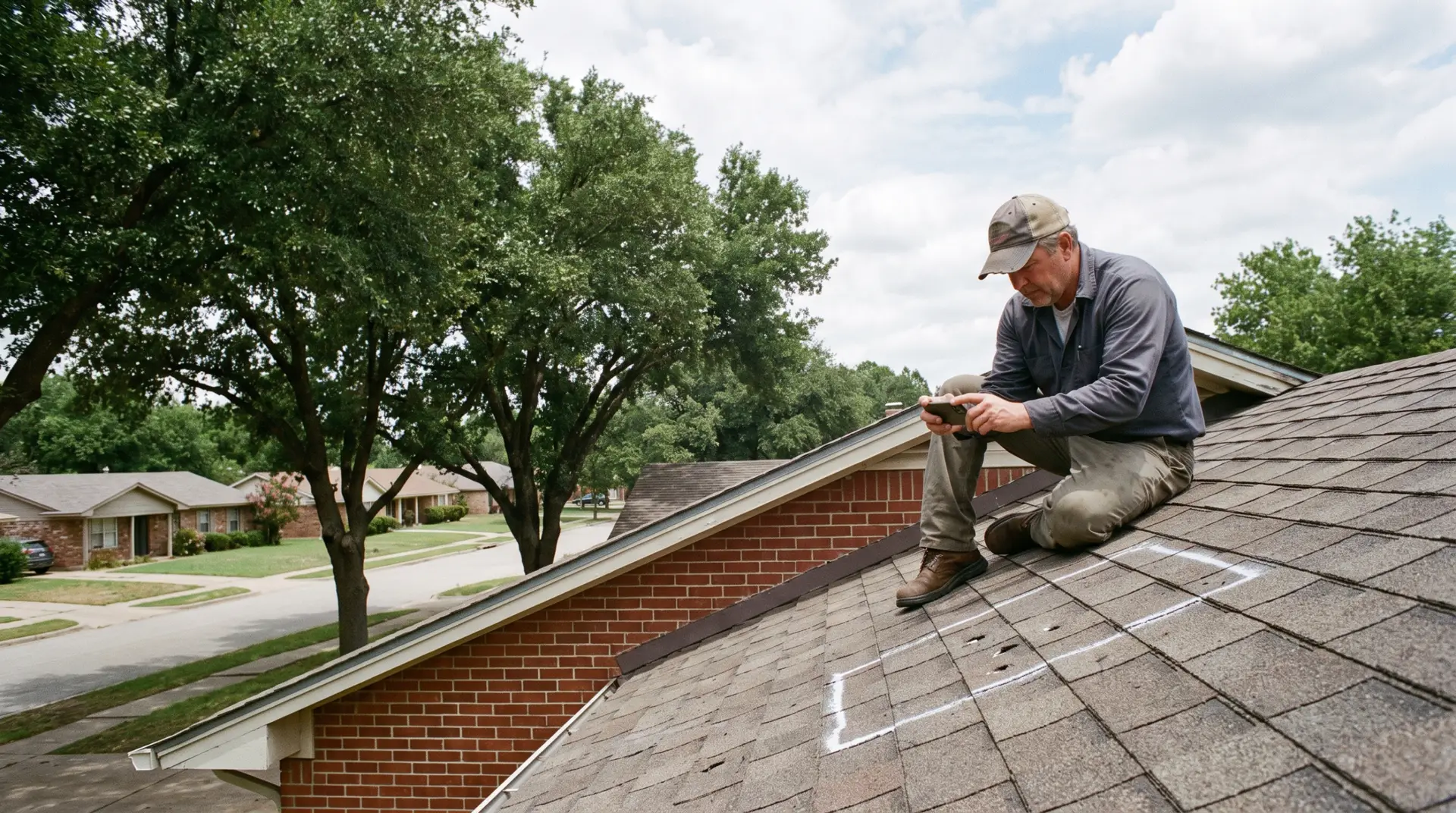
- Get an independent roof inspection: Have a licensed, insured local roofer document the roof with a written report. A thorough roof inspection in Lubbock covers all slopes, the metal accessories, and the soft metals that hail leaves marks on, not just the front elevation from the driveway.
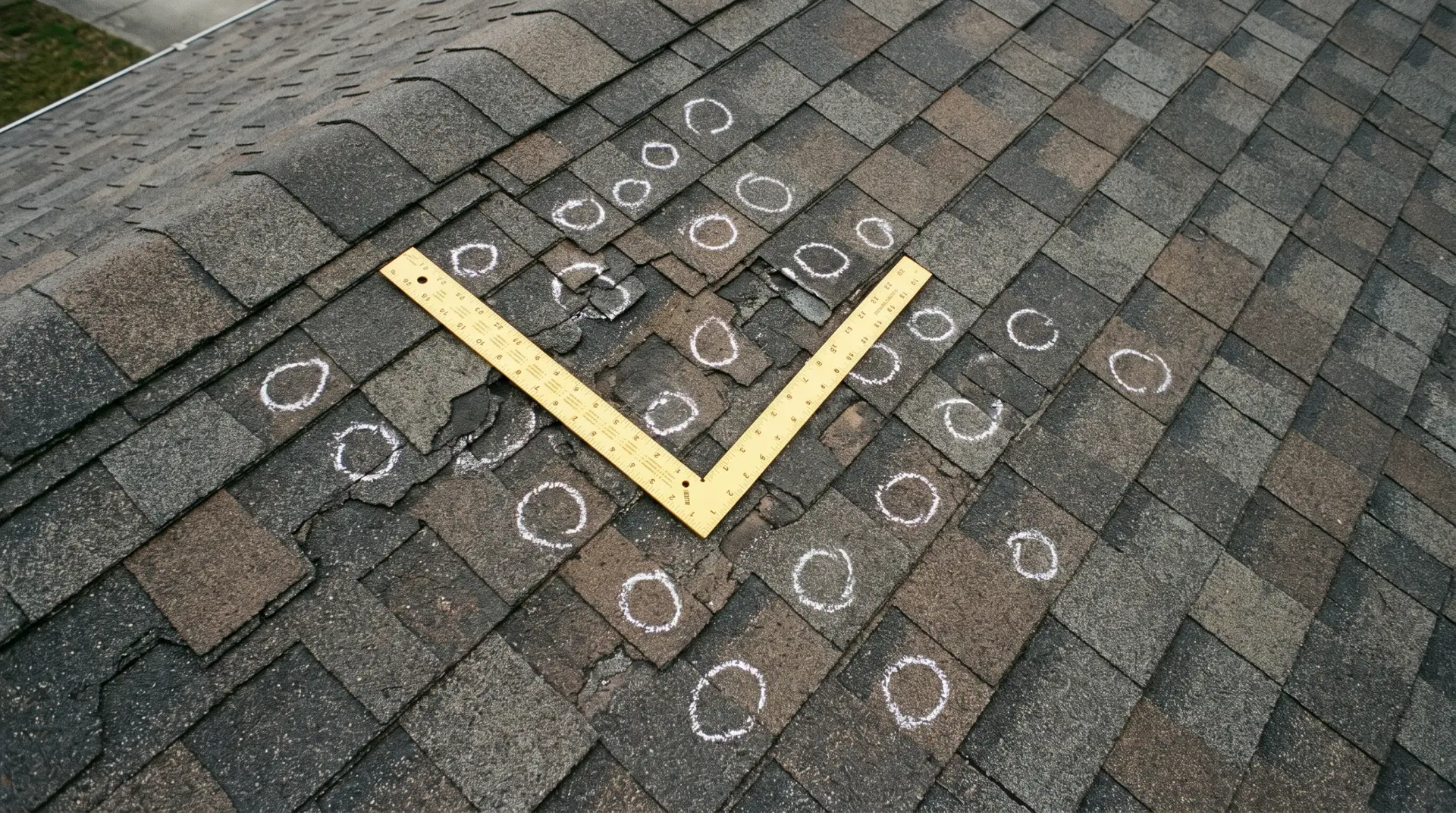
- Build a dated photo record: Shoot wide photos of each slope, then close-ups of bruises, creased shingles, dented ridge caps, and dinged gutters, downspouts, and window screens. Include something for scale, keep the camera timestamps on, and save the original files rather than screenshots.
- Request a re-inspection in writing: Send the carrier your report and photos and ask for a second inspection with your roofer present on the roof. Reference your claim number, the date of loss, and the specific findings that conflict with the adjuster’s report.
One caution before you hand anyone a signature. In Texas it is illegal for a contractor to waive, rebate, or absorb your insurance deductible, so treat any offer to cover it as a red flag. Be careful with contracts that tie your obligation to whatever the carrier approves, and never let anyone promise you a specific claim outcome. Elite documents roofs and meets adjusters on the roof. We do not act as a public adjuster or negotiate the claim for you.
Common Reasons Texas Carriers Deny Roof Claims
Most roof insurance claim denied letters on the South Plains fall into a handful of buckets, and knowing which bucket you are in saves weeks. Wear and tear is the most common. The carrier agrees the roof is worn out but says age, UV, and normal weathering did it rather than a covered storm. Cosmetic damage exclusions are close behind, especially on metal roofs, where a policy may exclude dents that do not affect how the panel sheds water.
Late reporting is the next big one. Policies ask you to report promptly, and a claim filed a year after the storm invites an argument about which storm caused what. Maintenance and prior-damage exclusions come up when an adjuster finds an older repair, a failed pipe boot, or decking that was already soft. Deductible math ends plenty of files too: with a percentage wind and hail deductible on a higher-value home, the covered repair can land under the deductible, which arrives looking like a denial even though coverage was never the issue.
The last bucket is documentation. The adjuster walked two slopes, found four hail hits in a test square, and the carrier’s threshold called for more. That is not a judgment about your whole roof. That is a sample size, and a sample can be re-taken. It helps to understand how homeowners insurance covers roof replacement in Texas before you argue about a number in a report.
How West Texas Weather Sets Up the Wear and Tear Argument
Lubbock roofs age faster than roofs almost anywhere else, and carriers know it. Between hail, spring wind, blowing dust, and the UV load at 3,200 feet, a ten-year-old shingle roof here can look like a twenty-year-old roof in a milder climate. That reality is exactly what a roof insurance claim denied for wear and tear leans on. Understanding the local conditions helps you separate real storm damage from the slow grind, and it helps you explain the difference in writing.
Hail Season Stacks Storms From March Through June
The South Plains can take several hail events in a single spring, and they rarely fall evenly across town. One storm clips Wolfforth, the next one runs across Tech Terrace and out toward Idalou. If your roof took pea-size hail in April and golf-ball hail in June, an adjuster may credit the damage to the smaller event that fell outside your reporting window. Nail down the date of loss with local storm reports and radar data for your specific address, not for Lubbock County as a whole, and say so in your letter. Date precision is often what turns a denial into a re-inspection.
Wind, Grit, and UV Mimic Ordinary Aging
Sixty mile per hour spring gusts lift and reseat shingle tabs over and over, which breaks the seal strip even when nothing tears off. Blowing dust then sandblasts the exposed surface and scours granules out of the mat. The result looks like a tired roof rather than a damaged one, and that is the ambiguity a wear and tear denial lives in. The tell is pattern. Wind and hail damage shows up on the exposed slopes and around the accessories. Ordinary aging shows up evenly across every slope, including the protected ones.
Freeze-Thaw Swings Open What the Storm Started
A Lubbock January can run sixty degrees at noon and drop below freezing overnight. Water that got into a hail bruise or a lifted tab freezes, expands, and opens the crack a little wider each cycle. By the time a leak shows on a ceiling in February, the storm that started it was nine months earlier. Photographs taken right after the storm are what tie the two together. Without them, you are arguing from memory, and memory does not hold up well against a carrier’s written file. Shoot the roof every spring after the first big storm, even when nothing looks wrong from the ground.
Step Seven: Appraisal, Public Adjusters, and the Texas Department of Insurance
If a re-inspection leaves the roof insurance claim denied, ask the carrier to run the denial through its formal internal review or complaint process and get the response in writing. Many policies also contain an appraisal clause. Under it, you hire your own appraiser, the carrier names theirs, the two pick an umpire, and that panel sets the amount of loss. Appraisal decides value, not coverage, so it fits a dispute about how much rather than a dispute about whether the storm did it. It costs money and it is usually binding, which cuts both ways. Ask who reviewed the file, what documents they considered, and whether your independent report was part of the record. Getting that answer in writing narrows the argument to something specific.
Public adjusters are licensed by the state to handle claims for homeowners, typically for a percentage of the settlement. Some are excellent. Verify the license before you sign anything, read the fee term closely, and understand that a roofing contractor in Texas cannot legally act as your public adjuster on a job it also wants to build. Elite does not fill that role. If your dispute is really about bad faith or policy interpretation, that is a question for an attorney, not a roofer.
When the carrier still will not move, the state is your backstop. The Texas Department of Insurance complaint process lets you file against the company, and TDI will ask the carrier to respond in writing. A complaint does not guarantee any outcome, and no one should tell you otherwise. What it does is put your documentation in front of a regulator and create a record the carrier has to answer.
Final Word: A Denied Claim Is Usually a Documentation Problem
Almost every roof insurance claim denied file we see in Lubbock comes down to what is in the file rather than what is on the roof. An adjuster spent forty minutes on a windy afternoon, sampled two slopes, and wrote what they saw. You have lived under that roof for years and you have photographs, a written report from a roofer who walked every slope, and a storm date you can prove. Those two records are not equal, and a carrier reviewing both often reaches a different number.
Stay factual and unemotional in every letter. Reference the claim number, the date of loss, the specific page of the report you disagree with, and the evidence attached. Ask for a decision in writing every time. That paper trail is what carries you through a re-inspection, an appraisal, or a state complaint.
If you want a straight read on what your roof actually shows, Elite Roofing & Exterior inspects roofs across Lubbock, Wolfforth, Shallowater, and Idalou and puts the findings in writing. Start with our hail damage roof repair team, or read our longer walkthrough of hail damage roof repair and the claim process before your next call with the adjuster.
Frequently Asked Questions About a Roof Insurance Claim Denied in Texas
Straight answers for Lubbock homeowners working through a denial
Yes. Texas carriers all have an internal review or reconsideration process, and you can also request a re-inspection with your own roofer present. Send a written request that includes your claim number, the date of loss, an independent inspection report, and dated photographs of every slope. Reference the specific finding you disagree with rather than disputing the letter in general. If review and re-inspection both fail, appraisal and a state complaint are still available to you.
Check your policy, because the contract controls the deadline. Many Texas homeowner policies limit the time to file suit on a denied claim to about two years from the denial, and most require a sworn proof of loss much sooner than that. Some also shorten the window for reporting new storm damage. Do not rely on a general rule you read online. Pull your own declarations page and conditions section, and if the dates are close, talk to an attorney.
It helps when it is documented, and a roof insurance claim denied for wear and tear is exactly where it matters most. A verbal disagreement changes nothing, but a written report with photographs of every slope, marked hail strikes, soft metal damage on gutters and vents, and a measurement diagram gives the carrier something concrete to review. A roofer can also meet the adjuster on the roof for the re-inspection and point out what the first visit missed. No contractor can promise the claim will be approved, and any who does should worry you.
Appraisal is a process built into many policies for settling a disagreement about the amount of loss. You hire an appraiser, the carrier hires one, and together they select an umpire. The panel sets the value and that decision is generally binding. It fits a case where the carrier agrees storm damage occurred but the estimate is far too low. It does not fit a flat coverage denial, and it costs money on your side, so weigh the amount in dispute first.
Sometimes, and only after you check credentials. Public adjusters are licensed by the Texas Department of Insurance and usually charge a percentage of the settlement, so confirm the license, read the fee agreement, and understand what happens if the claim never pays. They tend to earn their fee on large or complicated losses more than on small ones. Elite does not act as a public adjuster or negotiate claims, and a Texas roofer legally cannot do both jobs on the same project.